

Recently, there have been two important policy announcements about New Zealand that have raised concerns.
Firstly,Chinese passport holders with Australian visaswill be able to enter New Zealand without a visa for up to three months fromNovember3rd.Secondly, if you visit a popular New Zealand attraction, you may have to paya “tourist fee“of aroundNZD 40, which New Zealand intends to collect from foreign tourists to support the maintenance of the attraction.
On the surface, these two policies seem to signal a“loosening of the reins“for travelers:
Visa is more convenient → tourist flow may surge; but popular scenic spots start charging fees → costs may rise. ForChinese citizens whointend to“travel by the way“or“move to New Zealand“, this is adecision-making node of“opportunity + choice“.

I.“Visa-free entry to New Zealand with an Australian visa“:
Doors open for travel convenience
1. Review of the content of the policy
According to the official announcement, starting fromNovember3, Chinese passport holders with valid Australian tourist, work, student or family visas who enter New Zealand from Australia will be able to stay in New Zealand without a visa forup to three months.The New Zealand Immigration Department’s official website disclosed that the policy will be implemented for a trial periodof 12months.
New Zealand estimates thatup to about50,000 Chinese touristsmayenter New Zealand through Australiaeach yearafter this relaxation.
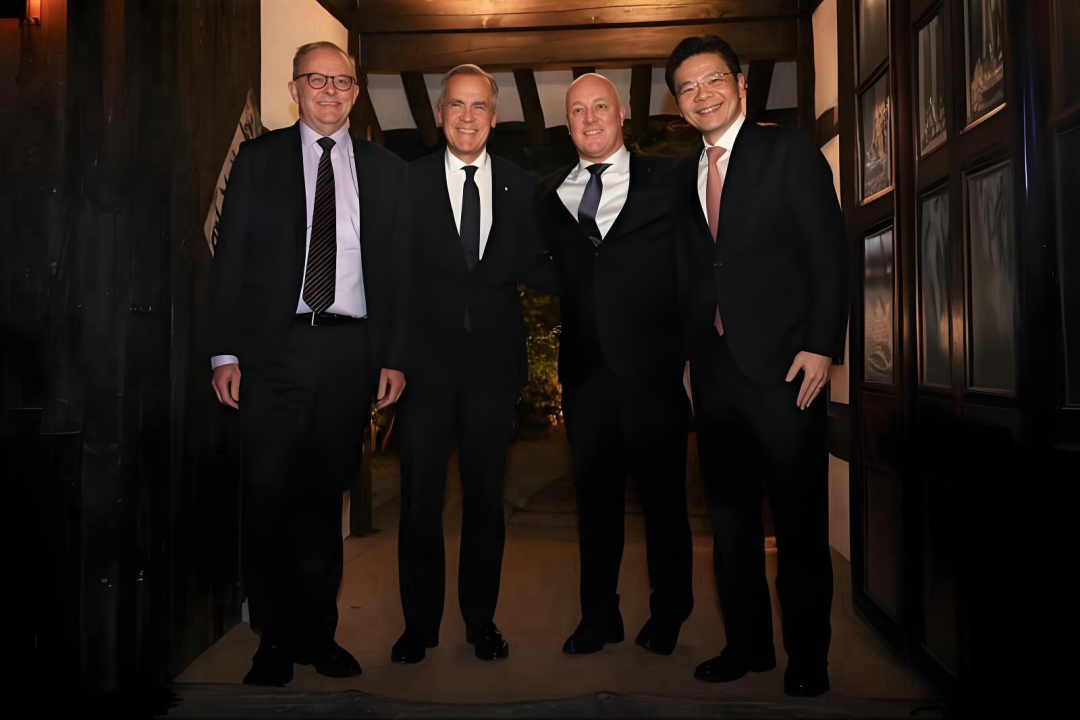
Photo/Leaders of Australia, Canada, New Zealand, Singapore, Source: United Morning Post
2. Significance and impact
The visa process has been greatly simplified. Previously, Chinese passport holders traveling to New Zealand needed to apply for a tourist visa, submit documents and wait for approval. Now, as long as they already have an Australian visa and are departing from Australia, they canenter the countrythrough the Electronic Travel Authorization (NZeTA), which significantly lowers the threshold.
Travel costs are down. In the past, traditional visas could require higher fees and longer waits. The new NZeTA (Electronic Travel Authorization) system makes the process faster and relatively inexpensive.
Enhanced travel options. For Chinese nationals living in or traveling to Australia, this means that they can visit New Zealand across the Tasman Sea on the way, forminga closed“Australia-New Zealand“travel loop.
For New Zealand, it is an important part of restoring tourism and stimulating the economy. The New Zealand Minister for Immigration has noted that this policy has contributed to the recovery of the tourism industry.
3. Matters requiring attention
Although“visa-free” is abig statement, it’s not exactly“zero formalities“.Chinese passport holders will still need a valid Australian visa to enter New Zealand from Australia and will need to apply for an NZeTA.
Visa exemptions are limited to a maximum of three months. For longer stays or entry for the purpose of settlement, other visa/immigration categories are required.
The“12-monthtrial period“means that the policy is at risk of adjustment. Travelers should check the latest policy status in advance.
While visas are easier, as will be mentioned below, popular attractions are starting to charge fees, which could boost the overall cost of traveling.
In short, this policy provides a“low-barrier entry“for Chinese travelers to New Zealand.However,“easy to get to“does not necessarily equate to“cheap“or“long-term residency“, and there is a need to look at travel and migration from different perspectives.
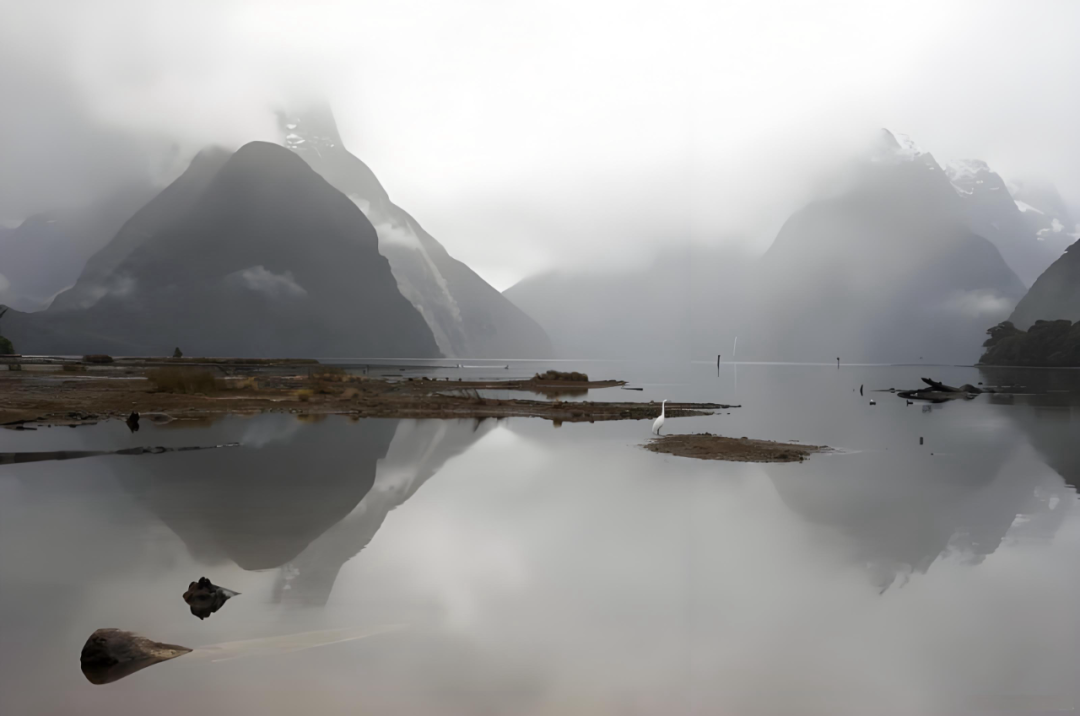
Photo/Milford Trail, New Zealand,Source: United Morning Post

Second, popular attractions charge:
New Zealand’s‘Quality Tourism‘Era Has Arrived
1. Details of the policy on the collection of tourist fees
New Zealand has announced a sightseeing fee for foreign tourists ranging from aboutNZD 40per person at some of its popular attractions. The proposed fee hotspots include:
MilfordTrack;
MountCook;
TongariroAlpine Crossing;
Cathedral Cove;
The Prime Minister of New Zealand pointed out that most of these places have a high proportion of foreign tourists (about80%) and that their natural significanceis “particularly meaningful“to New Zealanders.The levy is expected to bring in aboutNZD 62millionper year, which will be used for scenic development, environmental protection and so on.
Meanwhile, Chinese passport holderswill have their traditional transit visas (costing about NZD 235)replacedby NZeTA(minimumNZD 17)when connecting through New Zealand airports from November.

Picture/sea off New Zealand, Source: United Morning Post
2. Interpreting the logic behind
Managing the environmental and maintenance pressures of increased tourism: While New Zealand is renowned for its natural beauty, the pressure on infrastructure, ecological maintenance, visitor safety and trails is rising in the face of high visitor numbers, particularly at popular destinations. Fees are a“user pays“mechanism that balances openness to tourism with sustainable environmental management.
( b )Improving the quality of tourism: Fees may, to a certain extent, discourage the excessive“low price, high volume“model and promotea group of tourists who are“more willing to pay for the experience“. In other words, a shift from quantity to quality.
Subsidizing the local economy and infrastructure: all of these revenues will be reinvested in the development of scenic spots, which means that the portion paid by tourists will be used directly for local service enhancement.
Differential treatment of foreign tourists/local residents: The new policy states that New Zealand citizens do not have to pay to visit these nature reserves, illustratingthe concept of“national heritage for local people“.
3. Possible impacts on travelers/migrants
Slight increase in travel costs: if you want to visit the popular attractions mentioned above, additionalNZD 20-40per person, or about RMB100-200, the impact of a single trip is not significant, but if the trip is intensive, the cumulative can be noted.
Tourism decisions may change: some tourists may turn to“cooler” and “less popular“attractions to avoid the crowds and higher costs, or they may be prompted to increase their length of stay and opt for more in-depth tours.
For migrants, this reflects New Zealand‘s balance between“accepting the foreign“and“protecting local resources“.Even as a migrant, you may experience asimultaneous increase in“costs“and“thresholds” inyour travel and living experience.
In summary, this fee policy is not a bad thing, but rather an“upgrade“for New Zealand’s tourism ecosystem.For the average tourist, it can be seen as a slight increase in the“travel budget“; for the would-be migrant, it is a signal that New Zealand is welcoming, but selectively so.
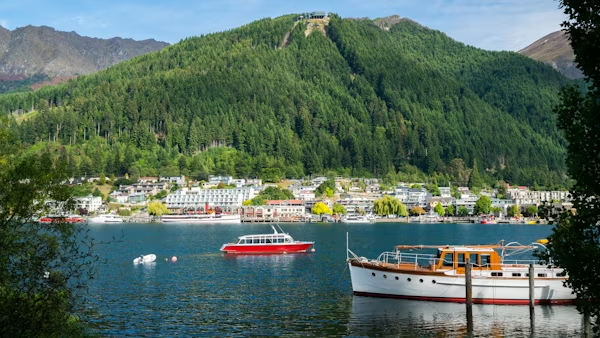
Image source:unsplash

III.“Easier visas“+“rising fees“.
Is moving to New Zealand a step in the right direction?
Againstthe backdrop of the simultaneous advancement oftourism policy“unbundling“and scenic area“fee-charging“, for Chinese citizens who intend to settle in New Zealand, it is now a criticalpoint tore-examinethe “migration path“. This is a critical point. Not only do you have to ask:“Can I go?“, but you also have to ask: ” Can I go?You need to ask:“How long do I want to stay?“ and “In what way can I stay?“In what way can I stay for a long time?“
Currently, the mainstream ways for Chinese applicants to move to New Zealand can be summarized into two:
Employer-sponsored/skilled migration pathway (i.e., the “six-point system“);
Immigrant Investor Pathway (“Approve First, Invest Later“version);
The following are dissected from the advantages, application requirements, and operation process respectively.

IV. Mainstream Pathways I:
Employer-Sponsored Skilled Migration (Six-Point System)
1. Policy context
According to the official website of Immigration New Zealand, the skilled migration pathway isdrivenby a“six-point“point system. Applicants who have accumulated at leastsix pointscan apply through Immigration New Zealand ‘s Skilled Migrant Category (Resident Visa)pathway.
This pathway is also included inthe “Skilled residence pathways”category, which is available to people who have a skilled job in New Zealand, or who hold a New Zealand recognized qualification, or who are registered on the Vacant Occupations List.
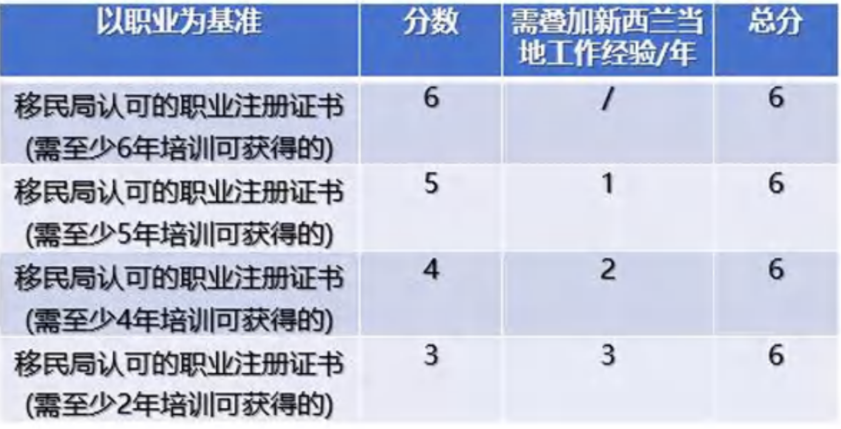
*Click on large image for details
2. Summary of strengths
Clearer thresholds:The 6-point system clarifies the elements of the application so that applicants can anticipate their eligibility against their own conditions.
( b ) Employment-based: more“migration-ready“by establishing a working relationship with a New Zealand employer.
Suitable for general professionals: A more realistic path for young and middle-aged professionals who have returned from studies in China or who are experienced in working overseas and have a good command of English.
Stable residency status: After obtaining a residency visa through this route, you can enjoy New Zealand’s more comprehensive welfare, quality of life and long-term settlement possibilities.
3. Conditions of application—key elements
Here are the official finishing touches:
Age:55years and below;
English: English proficiency (e.g. IELTS, etc.) or equivalent is generally required;
Employer Sponsorship:Full-time employment (or a contract of at least12months) or a valid job offerfroma New Zealand‘recognized employer‘is required;
Education: Bachelor’s degree or above ( NZQA accredited) is common;
Work experience: at least1year of relevant experienceis recommended in many cases.
Health and Character: Character and health requirements need to be met.
*Score system:
Main (either): 3-6 pointsfor New Zealand occupational registration, recognized qualifications, or income that meets the criteria.
Top mark plus:1-3pointsfor skilled work experience in New Zealand.
Earnings criteria (from August2025): e.g. to score 6 points, you need to be earning at leastNZD 100. 68/hour (or equivalent annual salary) or its equivalent.
4. Application strategy process (simplified version)
Self-assessment of qualifications: confirm that you have the education, income, work experience, employerOffer, etc.
Confirmation of EmployerOffer: Sign a full-time contract or confirm aJob Offerwith a recognized employer in New Zealand.
Documents to be prepared: Academic certificates (processedby NZQA ), English language grades, health/behavior certificates.
Submit anEOI(Expression of Interest): indicate that you are willing to move to New Zealand and apply for this category.
If invited, submit a formal application: include all materials and fees.
Waiting for Approval: Once approved, you can get a residence visa, after which you can start settling in New Zealand.
5. Information on risks and challenges
Employeroffersmust be genuine and skill-category compliant, andfalseoffers ofthe “dependent“typeshould be avoided.
Although“skilled migration“, different occupations have different requirements, and some require a registered license to practice.
Migration is not a quick fix: it requires adaptation to the local culture, language, and living habits.
In the context of visa liberalization and ease of travel, skilled migrants may face the risk of policy adjustments and are advised to be well prepared.

Image source: unsplashvb

V. Mainstream Pathways II:
Immigrant investor (new policy of“approve first, invest later“)
1. Policy context
In recent years, New Zealand has adjusted its investment immigration category, Active Investor Plus Visa, to emphasize“approval before investment“and enhance its attractiveness.The new policy will be effectivefromApril2025, according to the official announcement.
Specifically, immigrant investors are no longer limited to the traditional“passive investment“, but emphasize“active investment“to supplement the national economy and employment.
2. Summary of strengths
Thresholds are more open: English language requirements, age limits, and industry restrictions have been significantly relaxed.
Suitable for high net worth individuals: preferable if well capitalized and wishing to allocate in a global capacity.
More flexible residency requirements: for example,the Growth category requires only a 3-year investment period and a21-day stay (partially reported).
Family members may accompany theapplicant: the applicant may bring his/her spouse and children.
3. Conditions of application—key elements
According to official sources, the main ones are as follows:
Investment amount: Starting fromNZD 5 million (Growthcategory) or higher (e.g. NZD 10 million) depending on the category;
Form of investment: must be an‘acceptable investment‘and meet the new policy requirements (e.g. managed funds, direct investment in a New Zealand business, active role);
Age/Language: No explicit upper age limit, no English language requirement (explicitly relaxed in the new policy);
Residency requirements: A minimum number of days in New Zealand during the investment period must be met.
Health/Conduct: The same criteria must be met.
4. Overview of the application process
Prepare capital and investment plan: specify the amount of investment, investment instruments, and investment period.
Submit an application for approvalto Immigration New Zealand and thetransfer will commence uponreceipt ofInPrinciple Approval.
Investment implementation: investing money in New Zealand-recognized investment projects/funds/businesses.
Stay requirements are met: fulfill the minimum number of days of residence during the investment period.
Conversion to a residence visa and subsequent application for permanent residence.
If you meet the residency and investment requirements, you can apply for naturalization in the future.
5. Information on risks and challenges
High investment cost: fromNZD 5 million, capital investment alone is the threshold.
Investments are subject to“active“requirements: passive investments such as simple deposits and repo products may not be eligible.
Careful management is required during the investment period: monitoring and ensuring compliance is required after the investment is made.
Risk of policy changes despite relaxation of requirements.

Image source:unsplash

VI. Travel policies + migration paths:
Integration of judgments and recommendations
1. If you’re just“traveling along“
For Chinese tourists with Australian visas, this visa-free policy is indeed a“shortcut” –not only can they stay in Australia, but also travel to New Zealand on the way. However, it is still recommended:
Apply for NZeTA in advanceto confirm eligibility.
If you plan to enter popular attractions, make sure to includeNZD 20-40for sightseeing in your budget.
If you wish to stay for more than 3 months, or are considering work/migration, you must apply through the above immigration route.
2. if you are considering“permanent residence” inNew Zealand
For people with specialized skills, good English language skills and a desire to migrate through employment, Employer Sponsored Skilled Migration (ESSM) is the more “hands-on” route.
Employer-sponsored skilled migration (six-point system)is a more‘hands-on‘route. You should plan early: choose to establish contacts with recognized employers in New Zealand, upgrade your education/experience, prepare your English, and learn about New Zealand salary levels.
For those who have more capital and wish to invest in exchange for status, as well as for those who have more time and resources toinvest,Active Investor Plusis a“higher starting point but more relaxed“path. It is advisable to discuss with a professional immigration consultant to select a compliant investment program.
When choosing a path, there are 3 key things to grasp:cost, time, and residency requirements.Would you prefer to“work first and then settle down“or“invest first and then allocate for global living“? Different choices correspond to different trajectories.
In addition, it is important to note that New Zealand’s policies are still being adjusted, and new policies may be introduced for both skilled and investment migrants. It is recommended to check Immigration New Zealandregularly.
3. Reminderthat “visas are easier but attractions are expensive“
These two policies actually prompt us in two dimensions:
Welcome to the country: The relaxation of visa thresholds is part of New Zealand’s desire to attract more people and boost economic activity.
Resource conservation + diversionary costs: Scenic fees are New Zealand’s way of regulatingthe “tourist explosion“.
For migrants, this means that New Zealand not only welcomes you to come, but also wants you to“get ready“, not just enter the country. You not only need to“go“, but also need to considerthe life, cost and ecological adaptation after“staying“.

Image source:unsplash
Conclusion:Are you ready forNew Zealand’s“window of opportunity“?
Visa-free entry to New Zealand with an Australian visa is an exciting sign: it opens the way for Chinese travel to New Zealand. But at the same time, the introduction of fees at popular attractions is a reminder that New Zealand is moving from“open travel“to“sustainable development“.
This is awindow of opportunityfor aspiring newcomers–visas are easier, immigration policies continue to be loosened, and there are more options. But it’s not just a caseof “lying down and moving in“: you still need to be prepared, choose the right path and avoid the risks.
If you have a professional background and want to settle down through employment, the skilled migration pathway is worth planning carefully.
If you have capital, a global outlook, and wish to invest in exchange for status, then the investment immigration pathway offers looser options.
If you’re just looking for a side trip, think of the visa convenience as a new travel opportunity, and factor in the added attraction fees in your budget.
New Zealand’s logic is that you are welcome to come, but it is expected that you are“serious about coming“. Are you a traveler or a settler? Either way, if you are well-positioned and well-prepared, you will be able to make your“New Zealandtrip/residence” asmooth one.
*References fromImmigration New Zealand,Henley & Partners,Working In New Zealand, Bloomberg – Melbourne, The Guardian – New Zealand, United Morning Post, comprehensive news reports collated, reproduced with attribution, infringement and deletion of contact.
…
👇 Plus V enters Singapore’s largest outbound community 👇

Past Recommendations

7