

In recent months, Singapore’s commercial real estate sector has been in the news again: fromthe early termination of theTaste Orchardshopping mallonOrchard Roadtothe lease litigation betweeninternational brandGNCandLAC, rare lease disputes have been hitting the headlines frequently.
The economic slowdown and intensified retail competition have made lease gaming a hidden risk to business operations. For Chinese companies planning to set up companies and rent outlets in Singapore, understanding the local lease rules, termination clauses and compensation mechanisms has become a must.

I. Rare lease disputes in Singapore
Recentlease disputessuch as theone involving Hao Mart’s“Taste Orchard”projectinOrchard Road, coupled with other commercial leasing disputes, have set off alarm bells for Chinese companies operating leased frontages in Singapore.
Below we summarize the main points of the incident, analysis of the causes, and tips for tenants (especially foreign tenants).
1. Highlights of the incident
Good Supermarket, as the anchor tenant,entered into a“seven and a half year“leasewith the landlord, OC Retail Properties Pte Ltd(“OC”),at Taste Or chard mallin Orchard Road .Afteroperating the store for about18 months, OC suddenly terminated the anchor lease and requested the tenant to return the store to its original condition by the end of the year. The tenant was required to return the store in its original condition by the end of the year. The tenant and its sub-tenants were caught off guard.
Sub-tenants, who are dissatisfied with the poor arrangements and inadequate compensation of the Good Supermarket, have initiated a defense of their rights.
In the same period, in another big case, U.S. healthcare company GNC Holdings Inc. launched a lawsuitagainst its Singaporean franchisee, LAC Global Pte Ltd , for aboutUS$18.9 million (aboutS$24.47 million), seeking the return of leased stores and payment of lost profits, royalties, and damages for branding.
Lawyers pointed out that against the backdrop of a weak economy, high rental costs and fierce competition in the retail/restaurant sector, there might be an increase in tenancy disputes.
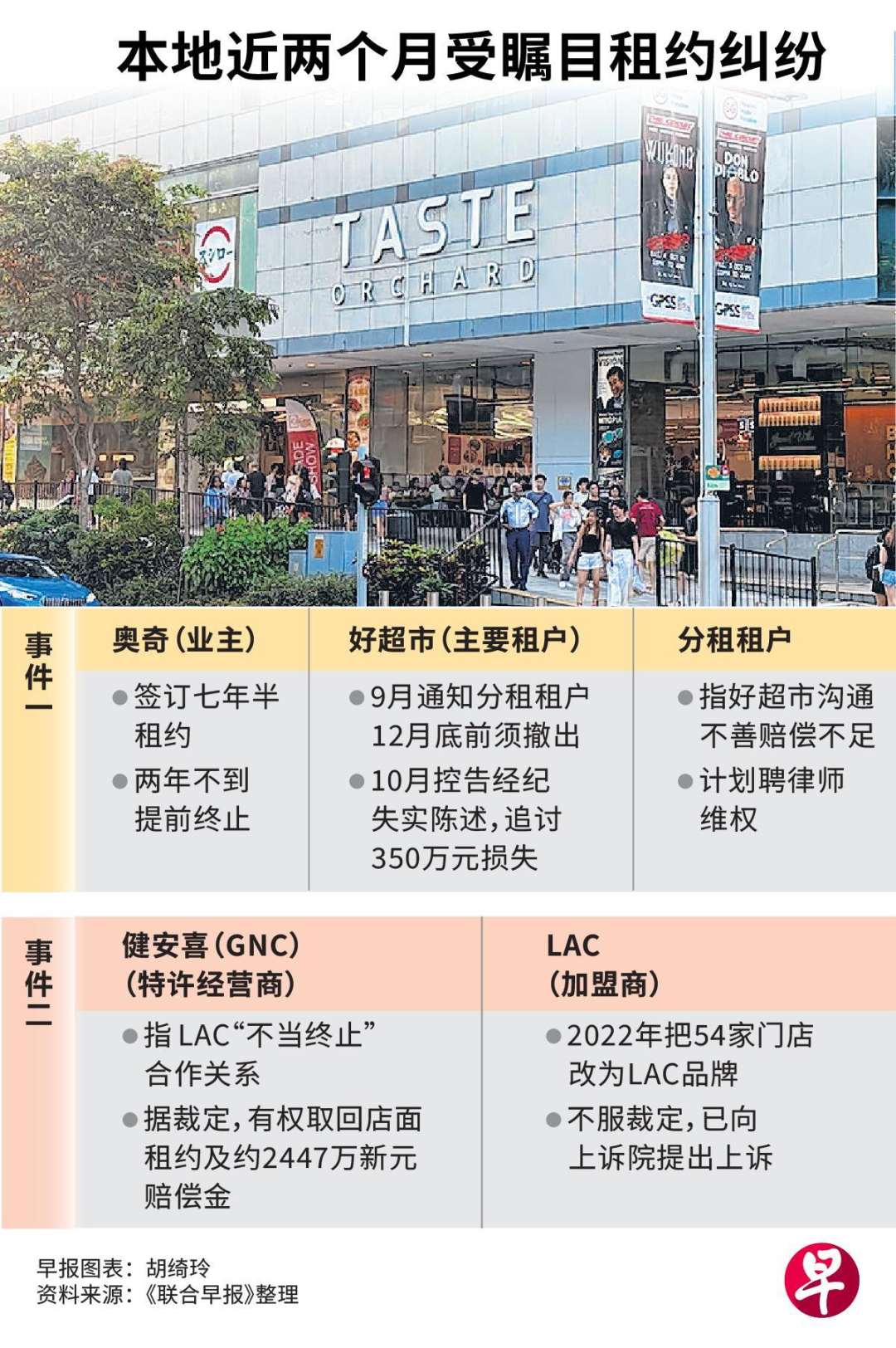
Photo credit: United Morning Post
2. Analysis of the reasons behind
From the above case we can see several key risk factors:
Lease term and mall positioning risk:AlthoughTaste Orchardsigned a seven-and-a-half-year contract, business did not pick up after less than two years of operation, and the pressure on rental costs may prompt the landlord to terminate or reorganize the mall early.
Complicated sublease structure:In a structure where the master tenant of a good supermarket sublets a portion of the floor to other tenants, the sublease tenant may be in a weaker position in terms of legal protection in the event that the master lease is terminated, as the attorneys state,“A sublease tenant who voluntarily enters into a lease agreement will not be covered by the termination of the master lease.“
Economic environment factors:Counsel pointed out that retail/restaurant rents account for a major percentage of operating costs, and that the economic slowdown and increased online competition are pressuring tenants’ ability to pay rents, thereby elevating the risk of default or early termination.
Weak or insufficiently reviewed contractual terms:Tenants who fail to review in detail“early termination clauses“or“master tenant’s sublease structure and responsibilities“clauses may be at a disadvantage when a dispute arises. Lawyers advise tenants to“read and negotiate the terms of the early termination“.
Source: United Morning Post, Schematic diagram
3. Tips for Chinese companies (or foreign tenants) to take away from the situation
For Chinese companies setting up companies, renting frontages or stores in Singapore, the above background has several important takeaways:
Careful selection of leasing targets and project positioning:Especially in popular business districts (e.g. Orchard Road) or shopping mall projects, it is important to assess the pedestrian flow, positioning, rental affordability, anchor tenant/sub-tenant structure, history of the mall’s operation and the landlord’s reputation. A newly opened mall that is terminated by the landlord before the anchor tenant has stabilized is extremely risky for the tenant.
Clarify the master/sublease relationship and chain of responsibility:If you are a master tenant and then do a sublease, or if you are a subtenant joining a structure outside of the master tenant agreement, you should be clear about the assumption of responsibility and risk between the terms of the master lease and the terms of the sublease (e.g., whether the sublease automatically terminates when the master lease is terminated, and who is liable for the damages).
Focus on earlytermination/release clausesin the contract:whether there is a“break clause”or“landlord termination for redevelopment”in the contract; if not, the tenantis often liable for the loss of the entire unexpired rent. If there is no “break clause” or “landlord termination for redevelopment” in the contract, the tenant will often be liable for the entire unexpired rent.
Comparisons must be made with local Singapore regulations and leasing industry codes:for example, theLease Agreement for Retail Premises Act 2023, theCode of Conductfor Leasingbythe Fair Tenancy Industry Committee, etc ., all reflect the direction of the Singapore leasing market towards the regulation of “fair leasing practices “. ” For example, theLease Agreement for Retail Premises Act 2023 and the Code of Conduct for Leasing by the Fair Tenancy Industry Committee reflectthe direction of the Singapore leasing market inregulating “fair leasing practices“.
Legal counsel/real estate agent support:Foreign companies in particular should engage lawyers and real estate agents who are familiar with the legal practice of commercial real estate leasing in Singapore to review the terms of the contract, negotiate the lease term, rent, service charge, renovation obligations,reinstatementclauses, sublease/sublease terms.

II. Comparison of Chinese Companies Renting in Singapore
What are the similarities and differences betweencommercial vs personal living rentals compared to China? What should I be aware of?
For Chinese entrepreneurs or employees who want to open a company, rent a storefront or live in Singapore for personal use, they need to understand the system, risks, and practices of commercial leasing (company leasing of storefronts/offices) and personal leasing (for residential use) respectively in Singapore, and how they differ from the Chinese leasing market.
Each is analyzed in several dimensions below.
1. Key differences in institutional and market environments
①Commercial rentals (companies leasing storefronts/offices)
Lease term and structure:In Singapore, commercial leases (including retail, office and industrial) are usually contractedfor 2-3years for small spaces; for larger commercial spaces, flagship retail stores and mall floors, leases tend to be for5-6years or even longer.
Highly Negotiable Contract Terms:Commercial lease agreements in Singapore are not mandated by a uniform statutory text, as long as the terms of the contract are negotiated between the two parties. That is, the term of the lease, fit-out obligations,repairs, reinstatement, subletting/subletting,breakclauses, etc. are all subject to negotiation.
Use approvals and planning restrictions:When leasing a commercial frontage, you need to make sure that theUseClass/Zoningof the propertycomplies with the commercial uses such as retail, restaurant, office, etc.The Urban Redevelopment Authority(URA) reminds you that you need to check the permitted uses of the property before renting or buying acommercial use.Urban Redevelopment Authority (URA) reminds that you should check the permitted uses of a property before you rent or buy it.
Lease agreements usually contain service charges, public maintenance, and insurance requirements:tenants are usually responsible for renovations, routine maintenance, service charges for public spaces, and insurance (e.g., public liability insurance).
Subletting and subletting restrictions:Most commercial leases will prohibit a tenant from subletting or subletting without the written consent of the landlord.
Early exit costs are high:If the contract does not have an early termination clause for the tenant, unauthorized exit by the tenant may constitute a breach of contract liability, and the tenant may be required to pay the loss of rent for the remainder of the lease term.
In contrast, renovation deposits, security deposits, and lease negotiations are also common for Chinese companies in commercial leasing in China, but compared to Singapore:
Lease contract terms may be more templated, sublease structures less common, and international tenant protection mechanisms may be lacking. In addition, there are more local administrative approvals, foreign business policies, and tax differences to consider for foreign investors entering China to lease storefronts.
② Individual living rentals (residential use)
In Singapore, the residential rental market (including HDB rental, private condominiums or row houses) is well established, with standardized contract forms and a regulated agency system. It is also common for expatriates or companies renting apartments for their employees to go through residential agents.
Unlike commercial rentals, residential rentals areregulatedby theCouncil for Estate Agencies(CEA) Letting Agent Rules. For example, renewal commission terms and agency fees should be fair and transparent. It has been reported that the renewal commission terms in residential leasing are said to be“inconsistent“andCEA has recommended a review.
While the Chinese rental market (especially in big cities) is also becoming more regulated, additional attention needs to be paid to the lease term, security deposit, government lease registration (e.g. HDB Residence), etc.,when it comes to off-site corporate postings and cross-border rentals (Chinese companies renting apartments for their employees in Singapore).
Source: United Morning Post, Schematic diagram
2、Chinese companies/tenants in Singapore should focus on the attention of
Based on the differences in the system, I would suggest Chinese companies or tenants to start with the following aspects in Singapore:
① Review of lease contract terms
Usage and Compliance:Ensure that the use of the rented property (retail, restaurant, office, industrial) is in line with URA approved uses. Any change of use (e.g. office to restaurant) may require planning approval.
Lease Term and Renewal Terms:Check the length of the lease term, whether there is an option to renew the lease, the renewal rent mechanism (fixed or market rate) and whether there is abreak clause.For example, many commercial leasesstart at 2-3 years, but there are alsoleases of 5-6 years or more.
Fit-out/Reinstatement: Tenants may be required to pay for fit-out and equipment after signing the lease, and are often required to reinstate the premises at the end of the lease. If the master lease is terminated early, it may be difficult to recover the tenant’s investment in fit-out.
Subletting and subletting restrictions:If a master tenant plans to sublet part of the floor, it must obtain the landlord’s consent in the master lease, otherwise the rights of the subtenant may not be protected. The Good Supermarket case exemplifies the risks associated with a sublease structure.
Service charges, public maintenance, insurance obligations:the contract should specify who is responsible for public maintenance, building maintenance, insurance (e.g. public liability, fire insurance, etc.), utilities and other expenses.
Early exit or landlord cancellation clauses:If there is no tenant-initiated exit clause in the contract, the tenant may be liable for early exit due to poor business. It should also be clear whether the landlord can terminate the contract on its own initiative (e.g., if the mall is being remodeled, repossession of the property), andthe Code of Conduct states that a tenantmay exit earlyonly under certain“exceptional“circumstances.
② Pre-Lease Due Diligence (DueDiligence)
Landlord/Property Company Background:Find out the background of the landlord’s company and whether there has been a history of similar lease terminations.
Property status and foot traffic / business district conditions:including mall location, floors, tenant mix, foot traffic, rent burden, and whether the lease term business plan is realistic.
Overview of Master Lease Terms:If you are a subtenant, review thetermination clausein the master lease, the responsibilities of the subtenant, and whether the master lease can be terminated early.
Legal/planning compliance:check that the land use of the property and the use of the building allow for the business you intend to carry on (especially catering and retail). As stated in the URA : it cannot be used for any other purpose unless planning permission is obtained.
③ Financial and risk planning
Ratio of rental cost to operating cost:It is important to estimate whether the rent accounts for a reasonable proportion of turnover; if the rent is too heavy and the turnover is declining, the risk of early exit will increase. Lawyers point out that the rent accounts for a high cost and the risk of lease disputes rises in the case of economic slowdown.
Renovation investment risk:Before investing in redecoration, you should consult with the owner on whether the loss of renovation is compensable, whether there is an“owner’s recovery“clausein the contract, andwhether there isa mechanism for recovery of renovation costs.
Contract clauses on deposits, security deposits, indemnification:find out the amount of deposits, security deposits, and indemnification liabilities in case of early withdrawal or termination by the owner.
Exit Mechanisms:If conditions are expected to be uncertain, seek tominimize the risk of early exit througha tenant exitclausein the contract, or a subletting/alienation mechanism for the sublease structure.
④ Key Differences with the Chinese Rental Market
In China, although commercial leases also include renovation obligations, lease negotiations, security deposits, etc., the upfront investment in the project, sublease structure, and legal protection mechanisms may not be as transparent as in Singapore for foreign tenants.
In Singapore, the leasing market is more mature, with more room for negotiation of contract terms and better regulations to protect tenants’ rights (e.g. Commercial Leasing Code); however, the cost of leasing and transaction risks may also be higher.
With regard to residential leasing, in China, most of the negotiations were between landlords and tenants directly, and the agency system was not fully harmonized, whereas in Singapore, the agency system was standardized, the fee structure was more transparent, and the regulations (e.g., the renewal commission clause) were also regulated. It was noted that the“renewal commission“clauseforresidential agentswas pointed out to be unreasonable, and that residential leasing also has its own specific regulatory issues.
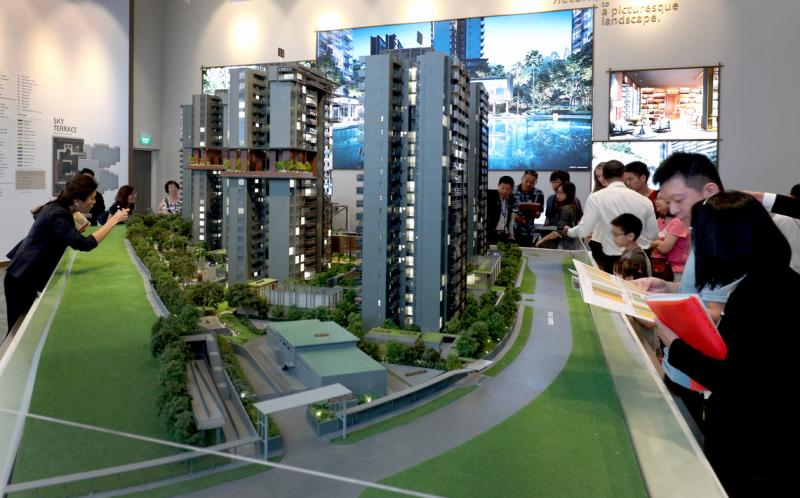
Source: United Morning Post, Schematic diagram

Third, is there a risk of early rental withdrawal?
What are the do’s and don’ts?
If a company signs a leasefor3years but wants to quit after 2 years: what should be done? How is compensation determined? And what should I pay attention to the company’s registered capital (paid-up capital/registered capital)?
Frequently asked questions for Chinese companies renting frontages, stores or office space in Singapore in the name of their company include:
What if I have a 3-year lease but only want to use it for 2 years? How is the compensation agreed in the lease agreement? Is there any correlation with the capital structure (paid-up capital, registered capital) of the company when it is registered in Singapore? The following are detailed in 3 sub sections.
1.BreakClausein Lease Contracts
In Singapore commercial leasing, it is crucial that the contract contains an“early termination“clauseby the tenant or landlord. If a company wishes to withdraw within three years of the lease term, but the contract does not contain a tenant’s ability to withdraw, it may be found to be in breach of contract.
The attorney noted that“a tenant who seeks to leave before the expiration of the lease term without a corresponding right to quit in the lease may be able to claim liquidated damages by the landlord for the remainder of the lease term.”
Commonly used clauses in business leases allow the tenant toexit early under certain“exceptions“(e.g., loss of distributorship, insolvency of the business entity), but are generally subject to specific conditions, notice periods, or payment of compensation.
Lawyers point out thateven if there is a break claus e, the tenant’s use must strictly fulfill the terms (e.g., paid up rent, no material breach of contract, advance notice, etc.) or it will not be effective.
Therefore, if you are signing a 3-year lease and wish to quit at the end of the second year, you need to check whether there is a tenant exit clause in the contract. If not, you may need to negotiateaDeed of Surrenderor sublet/subletwith the landlordto avoid liability for the balance of the rent.
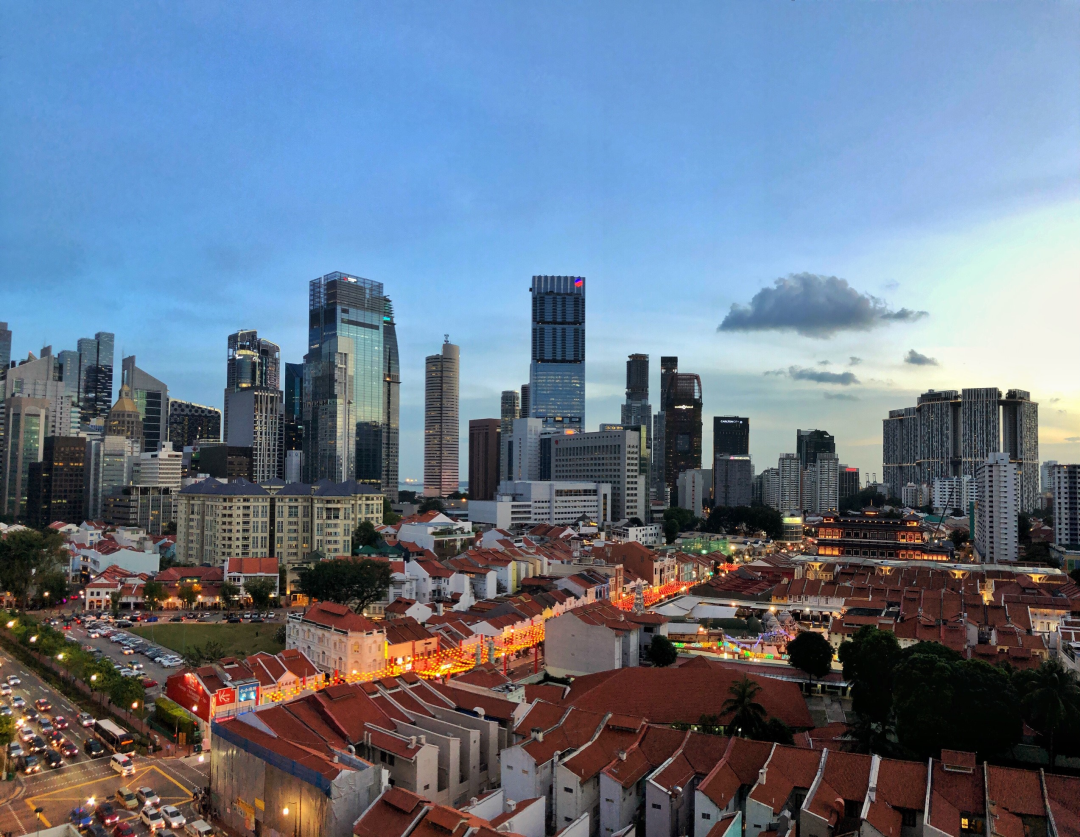
Source: URA, schematic diagrams
2. In case of early withdrawal/early termination by the owner: what is the liability?
If the tenant withdraws voluntarily but is not permitted to do so under the contract, the landlord may be able to claim loss of rent for the remainder of the tenancy period. However, in Singapore, the landlord also has a“mitigationduty” to try to find a new tenant to minimize the loss.
The lawyer pointed out that the tenant should negotiate with the landlord, and the amount of compensation is often related to the length of time the landlord has been able to re-let the unit from the prevailing market.
If the contract allows the landlord to terminate early in certain circumstances (e.g., remodeling of the building, repossession of the property), the landlord is required to give the tenant advance notice (usually at leastsixmonths) and to compensate the tenant for the tenant’s inputs (fit-out, fit-out withdrawal costs). Under the Code, the tenant’s loss of fit-out investment is compensable in the event of early termination by the landlord.
As seen in the case of the Good Supermarket, after the main lease was terminated early by the landlord, it was difficult to protect the sub-tenants and also triggered a large number of disputes between multiple parties, which shows that the lack of exit mechanism after the tenant’s investment is very high-risk.
Thus, if the company wants to withdraw after three but two years of the contract, the main compensation considerations include the loss of rent for the remainder of the tenancy period, the landlord’s cost of time in finding a replacement tenant, the failure to recoup the tenant’s investment in the fit-out, and whether or not the deposit has been forfeited. It is important to look at the specific terms in the contract.

Source: United Morning Post, Schematic diagram
3. Relationship to the company’s registered capital/paid-up capital
In commercial leasing disputes, the lease liability is usually contractual and not directly linked to the company’s registered capital (or paid-up capital). However, from the perspective of company registration, operational reputation and solvency, the registered capital (Paid-up Capital) should be carefully designed. The following points illustrate this:
In Singapore, the minimum paid-up capital for company registration is only SGD 1(or foreign currency equivalent).Tsumari,you can register a company for about S$1 . Default+1
“ Paid-up capital”is the amount of money that has been paid to the company by the shareholders for their shares.The difference betweenissued capitaland paid-up capital is that the former is the total amount of shares issued by the company and the latter is the paid-up portion.
Although the minimum threshold is very low, in practice many enterprises will set higher paid-up capital to enhance their external credibility and expand their financing capacity.
For lease disputes, if the company is unable to pay compensation or rent, the landlord may pursue contractual liabilities against the company; if the company has a very low capital structure and few assets, the risk of the lease is even higher. Therefore, for a company that leases a storefront, invests in renovations, and incurs debt, setting a reasonable capital size and maintaining a good financial position are important risk management aspects.
(b)The question of“whether compensation is based on paid-in capital or registered capital“:
There is no legal requirement that lease compensation be limited to the registered capital of the company. Liability is mainly based on the provisions of the lease contract, whether the company is in breach of contract, the condition of its assets and the landlord’s losses. In other words, the registered capital of the company does not“limit“the liability for lease compensation; however, the size of the capital may affect the solvency of the company.
For Chinese companies, care should be taken when registering a company in Singapore:
Setting a reasonable amount of paid-up capital (although the minimum is S$1, in practice it is recommended to be higher to reflect operational capacity), ensuring that the company has the appropriate assets/liquidity to meet the lease obligations, maintaining proper accounts, and filing returns in a timely manner.
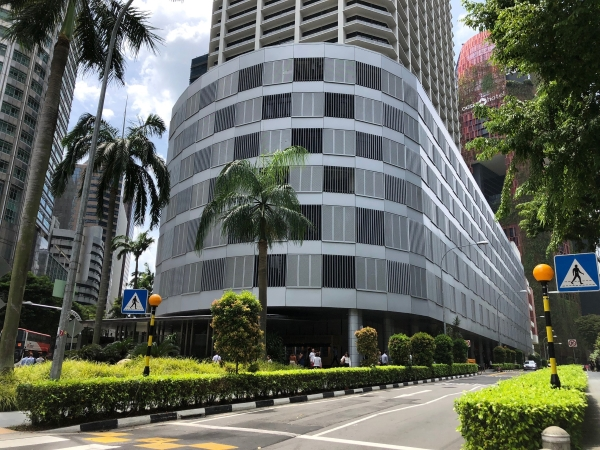
Source: URA, schematic diagrams
4. Review of the practical advice process
Clarify the existence of early termination clauses, exit mechanisms, subletting/subletting arrangements, and mechanisms for recovery of renovation inputs before signing the tenancy agreement.
If a three-year contract is signed but exit is expected in two years, try to get aclausein the contract thatsays “tenant may exit early“or“tenant may sublet/assign the lease“and estimate the exit costs.
If there is no exit clause and you have decided that you may exit early, negotiate with the landlordto “break the agreement“or“let the lease“and seek mitigation from the landlord (e.g. by pursuing the next tenant).
At the same time, the company should be financially prepared: ensure that there is liquidity to cover possible compensation, deposits, and renovation losses; and that the registered capital is set to match the actual operating capacity.
Before major renovation inputs are made, it is recommended that a renovation compensation or renovation recovery mechanism be agreed with the owner.
Ensure that the use of the property is legal (e.g. catering must apply for a catering license, change of use must be reported to the planning department) to avoid repossession of the lease due to illegal use.
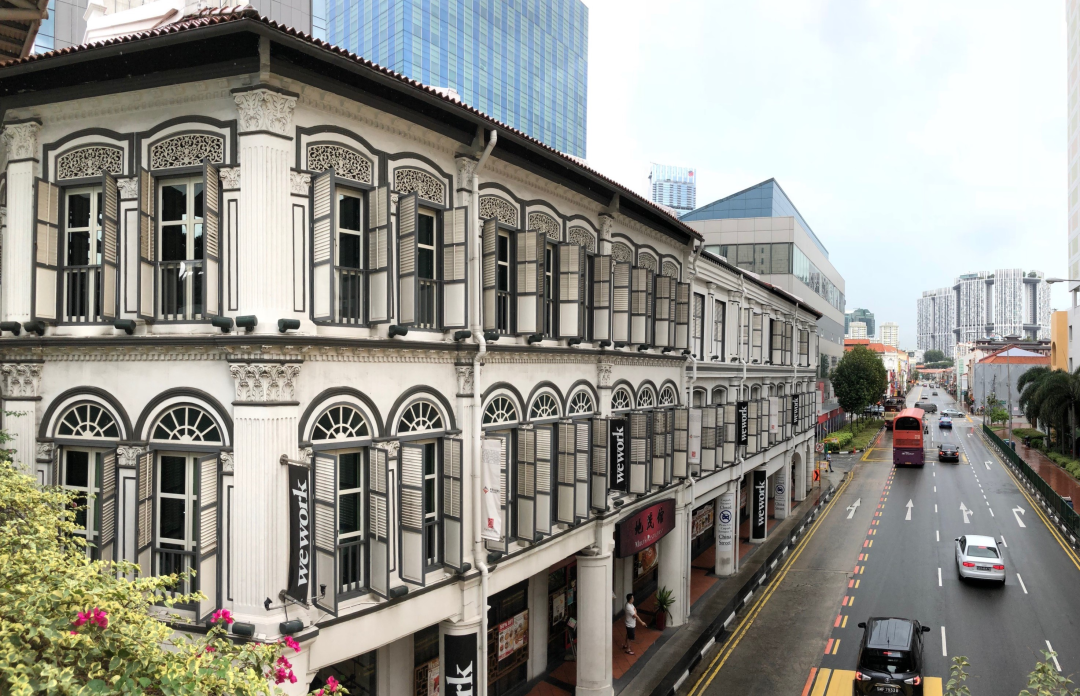
Source: URA, schematic diagrams
Conclusion:
For Chinese companies setting up companies, leasing frontages or office space in Singapore, we are reminded by some of the rare but high-profile local lease disputes in Singapore in recent years:
Lease contract details, exit mechanism, chain of responsibility, and financial provisions are essential. Compared to China’s leasing market, Singapore has its own characteristics in terms of commercial rental system, freedom of contract negotiation, and regulatory protection mechanism: strict approval of use, more room for contract negotiation, and potentially higher risk exit costs.
Pre-lease due diligence, review of contract terms, prudent investment in renovations, exit path planning, and reasonable allocation of company registered capital are all critical steps in reducing risk and sound operations.
*References from:URASingapore,HDB,SPF,ICA,IRAS,ACRA,MOM, the United Morning Post and other media, the General Newspaper collated, reproduced must indicate the source, infringement and deletion of contact.
…
👇 Plus V enters Singapore’s largest outbound community 👇

Past Recommendations