

Singapore will reportedlyimposean effective corporate income tax rate ofat least15 percenton multinational companies operating in Singapore from fiscal year2025.
A spokesperson for Singapore’s Ministry of Finance pointed out that the policy was implemented to maintain a fair tax burden and international competitiveness, and that“if Singapore does not follow suit, corporate profits may be subject to retroactive back-taxation by other jurisdictions, ultimately resulting in a loss of tax revenue.“
The launch of the new policy marks Singapore’s formal entry into a new phase of global tax transparency and harmonizationwhile maintaining an open business environment.

First, a wave of global tax reform is on the way:
Singapore’s“15%Minimum Tax System“is officially in place.
According toIRASSingaporeand Lianhe Zaobao, on Nov. 6, Singapore’s Parliament passed an amendment to the Finance (Income Tax) Bill that willimpose a minimumcorporate income tax rate of15 percenton multinational corporations operating in Singapore from FY2025 onwards.
This means that Singapore has officially aligned itself withtheGlobal Minimum Tax (GMT), which is led by theOrganization for Economic Co-operation and Development (OECD).
Senior Minister of State for Finance, Mr. Siew Chun Cheong, pointed out during the second reading in Parliament that the move was aimed atpreventing tax outflows–if Singapore did not imposethe15 percentminimum tax rate, other countries that have adopted the framework could impose back taxes on multinationals, which would ultimately lead to a loss of tax revenue.
“In order for Singapore to continue to be a preferred location for business expansion and investment, we must ensure that the tax regime is up-to-date and in line with both global trends and local industry needs.“Siew Chun Cheong emphasized.
The policy is part ofPillarTwoofthe OECD’s “Anti-Base Erosion and Profit Shifting (BEPS 2.0)“.Under this framework,multinational groups withglobal revenues of more than750million eurosmust ensure that their effective tax rate (ETR) in any countryis not less than15 percent.
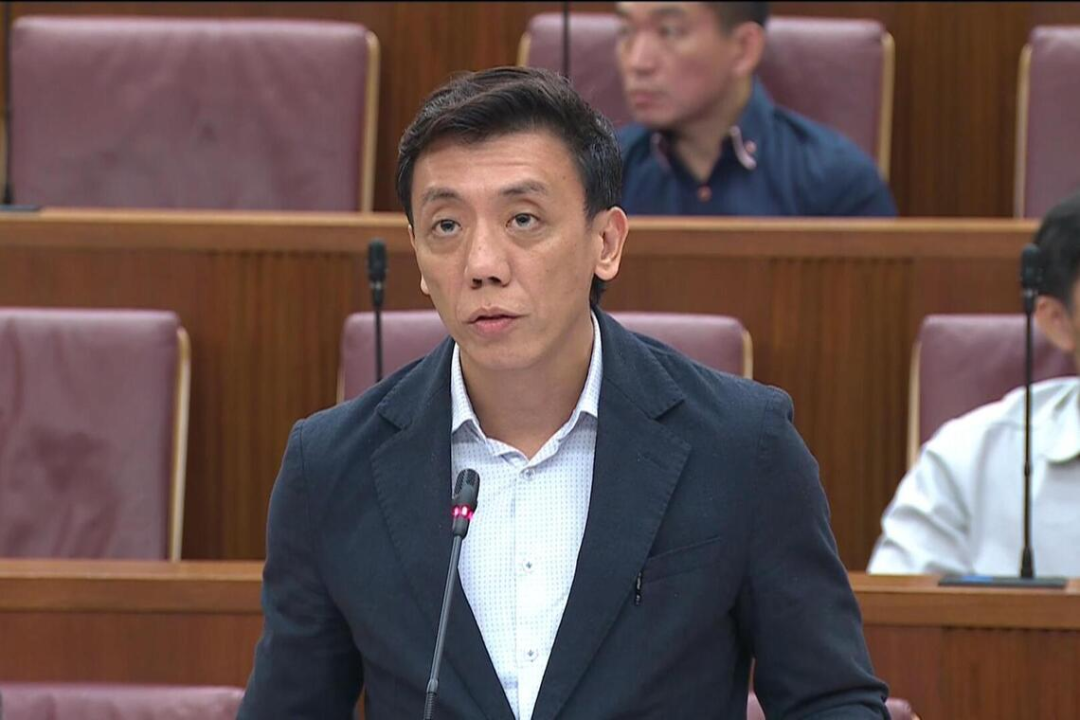
Photo/Singapore‘s Acting Minister for Transport and Senior Minister of State for Finance, Mr. Siew Chun Siang, Source: Lianhe Zaobao

II. Why“active tax increases“?
Singapore’s strategic considerations
At first glance, Singapore took the initiative to“raise taxes“, seems to be contrary to its long-term“low taxes to attract foreign investment“image. However, the Ministry of Finance pointed out that this is actuallya defensive initiative–if not adjusted, the profits of Singaporean enterprises will be other countries to make up for the tax, which is equivalent to“hard work to attract investment, but for other people to collect taxes“.
An example:
If a United States-based multinational corporation pays only a10 per centtax ratein Singapore, the United States Department of Revenue can imposeanadditional5 per cent“differential tax“on the corporation tomake upthe 15 per cent. In other words, the tax would still flow out, only into the coffers of other countries.
By imposing a15%tax ratelocally, Singapore is able to:
Retain tax revenueand avoid losing it to other countries;
Maintaining the reputation of the systemand responding to the trend towards international tax transparency;
Stabilize investment confidenceso that companies can anticipate tax costs and plan their layouts for the long term.
The Ministry of Finance further clarified that“the implementation of the minimum tax regime will not undermine Singapore’s ability to attract foreign investment. Businesses choose Singapore not just for the tax rate, but for the legal security, talent base and international connectivity.“
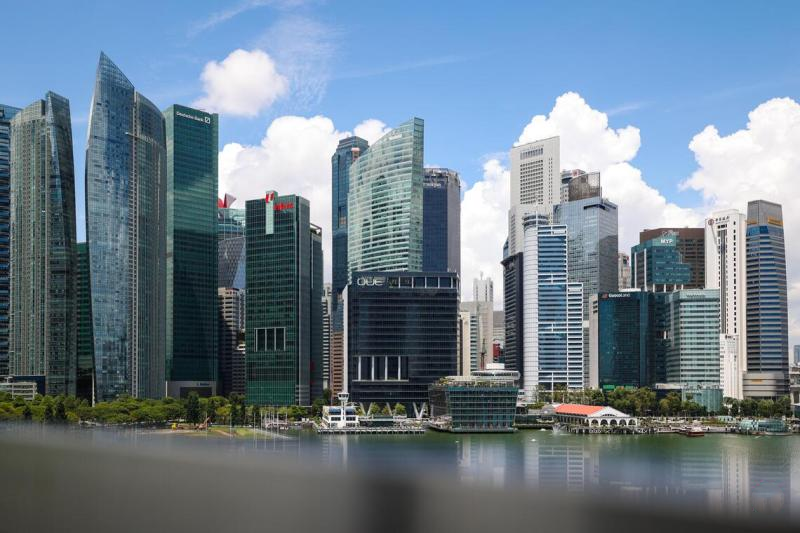
Source: United Morning Post, Schematic diagram

III. Which enterprises are affected?
Multinational groups become the focus of regulation
According toa note issued bythe Inland Revenue Authority of Singapore (IRAS) (updated onOctober31,2025), the minimum15%tax rate applies to:
A multinational group of companies withglobal annual revenues of more than750million euros;
Have a subsidiary, branch or regional headquarters (RHQ/IHQ)in Singapore;
Group structures thatarecovered byOECDPillar II.
Such businesses will be required to file Top-upTaxreturns to ensure that their Effective Tax Rate (ETR) in Singaporeis not less than15%.
Local SMEs, sole proprietorships and general partnershipsthat are not part of a multinational group system will not be affected by the new rules and will continue to be subject to the currentcorporate tax rate of17%with the corresponding relief policies.
Source: United Morning Post, Schematic diagram

IV. Important points in time:
ECIfilingonNov.30is key
Apart from the policy adjustments, companies need to pay more attention to the upcoming filing timeframe.
All companies registered in Singapore for the fiscal year2025mustcompletetheirestimated taxable income (ECI) filingsbyNovember30th.
ECI(Estimated Chargeable Income) is a“projected profit“returnrequired byIRASto befiled within3 monthsof the end of the fiscal yearfor the purpose of calculating tax liability in advance.
Multinationals that do notreflect the15%minimum tax rate adjustment intheir ECImay face..:
Recovery of taxes;
Penalty and Interest;
Severe cases affect tax compliance ratings.
IRASreminds companies tocompleteECIfilings and intra-group tax adjustmentswell in advance ofsubmittingformal tax filings such asForm C-S,Form C, andso on.
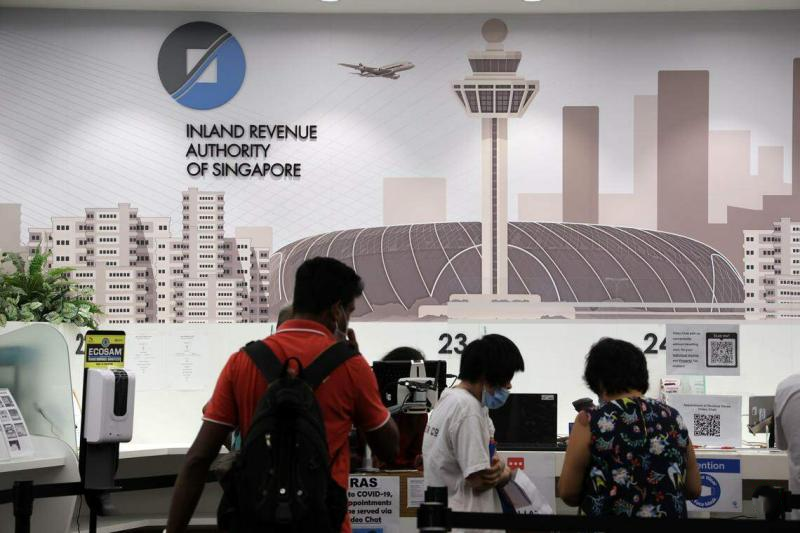
Source: United Morning Post, Schematic diagram

V. Chinese companies going to sea in Singapore:
Opportunities and Challenges
The new policy has also attracted the attention of many Chinese companies. In recent years, more and more Chinese technology, manufacturing and new energy companies have set up regional headquarters or holding platforms in Singapore.
What doesthe new15%bottom line tax rate mean for these businesses?
1. Impact on tax structure
Previous practices of distributing profits and utilizing tax incentives through multi-layered structures will be scrutinized. Enterprises will need to reassess the overall effective tax rate and ensure that Transfer Pricing (TP) and Economic Substance (Substance) are in compliance.
2. Impact on Location and Operations
Singapore remains the preferred location for regional headquarters in Southeast Asia. Even if the tax rate rises, companies cancontinue totakeadvantageof the stable rule of law, convenient financing environment and regional trade agreements (RCEP,DEPA).
3. Requirements for Compliance and Filing
For Singapore companies holding shares in China and operating abroad, more attention must be paid tothe timeliness ofannualECIandForm Cfilings. Late filing may result in loss of tax exemption status and even affect future bank credit and audit ratings.
From a macro perspective, while this policy increases compliance costs, it also enhancesSingapore’s imageas a“transparent, robust and sustainable“international business hub.
Source: United Morning Post, Schematic diagram

VI. How to respond?
Top5tipsfor multinationals
1.Re-measurement of group effective tax rate (ETR)
Before submittingthe ECI, the profit and tax liabilities of each subsidiary are summarized and measured to confirm that the overall tax rate is not less than15%.
2.Revision of TransferPricingPolicy
Ensure that intra-group transactions such as service fees, license fees, and financing fees are commercially reasonable in order to prevent them from being recognized as“profit shifting“.
3.Strengthening Economic Substance (Substance) Construction
Increase physical employment, management functions and asset allocation in Singapore to ensure that the business“lives up to its name“.
4.Make full use of local tax incentives
Singapore still retainsincentives such asthe Industrial Upgrading Program (PC) and the Incentive for Regional Headquarters (IHQ), which can offset some of the impact.
5.Collaborate with professional advisors for compliance
It is recommended to hire a CPA or tax advisor to conduct mock filings and risk testing, especially ifdone before theECIdeadline.
Source: United Morning Post, Schematic diagram

VII. Future prospects:
A New Balance in the Age of Transparency
The era of“low tax rates to attract foreign investment“is over. Global tax competition is shifting from“who is cheaper“to“who is more stable, compliant and predictable“.
For Singapore,the 15%minimum tax rate is not a“tax increase“, but a“bonded“strategy–to keep tax revenue in the local area, so that the trust of enterprises will not be reduced.
For Chinese companies, the central signal of this tax reform is:
“Compliance and transparency are becoming the new international passport.“
Under the new tax framework, companies are no longer pursuing tax avoidance, but rathertax governance capabilities–how to optimize global resources under the premise of legal compliance.
It is foreseeable that in the future, Singapore willtransformitself froma “low-tax port“toa “global tax governance center“, and those who are able to take the lead in completing the compliance transformation will have a head start in the new order.
Source: United Morning Post, Schematic diagram
Conclusion:
In the era of tax globalization, the logic of enterprises going overseas to Singapore is no longer just“tax avoidance“, but“compliance, stability and international standards“.
TheECIfilingonNovember 30is not only the deadline for a statement, but also a “global access test” of corporate governance capabilities. “It is also a test of corporate governance .
*References from: SingaporeMOF,IRAS,ACRA, Lianhe Zaobao, synthesized news reports collated, reproduced with attribution, infringement and deletion of contact.
…
👇 Plus V enters Singapore’s largest outbound community 👇

Past Recommendations