

Singapore publishesPopulation Briefing2025: Population tops6.11million, with non-residents dominating growth.
However, on the other side of the growth spectrum is the real pressure of accelerating aging and the rising number of elderly living alone. At the same time, officials are trying tostrike a balance between“manpower shortage“and“aging population“by relaxing the upper working age limit and extending the length of foreign work permits.

I.Singapore of6.11 million people:
Where is the engine behind the growth?
According tothePopulationin Brief2025reportreleased bySingapore’s National Population and Talent Division (NPTD) inSeptemberthis year,Singapore’s total population reached about6,111,200as ofJune2025, an increase of about 1.2%over the same period last year.
Among them, there are about3.667millioncitizensand543,800permanent residents, totaling about 4.2045 millionresidents; and about 1.91million non-residents (including foreign workers with passes, foreign students, foreign family members, etc.).

Source: NPTD Singapore, ICA, Lianhe Zaobao
It is worth noting thatthe average annual population growth rate during2020-2025is about1.5 percent, much higher thanthe approximately 0.5 percentduring2015-2025.
And the main driver of population growth is coming from the non-resident group: the report notes that therehas been a significant increase in the foreign workforce with work permitsdue to infrastructure development (e.g. Changi AirportT5) and accelerated supply of HDB flats.
The logic of this development is simple: the population has grown in size, but its compositionhas become more“foreign“. In the context of Singapore as a city-state, with scarce resources and land constraints, this undoubtedly poses new social, economic and public service challenges.

Second, foreign labor has become the mainstay:
The “invisible pillars“of economic recovery
The rise in the proportion of non-residents is not simply a“numerical increase“. According to the report:
Currently, about two-thirds of non-residents are foreignworkers across all pass types, with foreign domestic helpers, students and their accompanying relatives making up the rest.
For example, the demand for foreign workers in the construction, manufacturing and service sectors is on the rise, whichis directly related to Singapore’s recent push for large-scale infrastructure, HDB construction and airport expansion. It is for this reason that the report specifically statesthat “the increase in the non-resident population came mainly from Work Pass holders“.
This illustrates several points:
Singaporehas considered foreign workers as a buffer mechanismin“maintaining the size of the workforce“.
Although the growth of the foreign labor force can solve the short-term labor shortage, in the long run,there is a certain tension betweenit and“local employment“,“social integration“and“public resource allocation“.
The future policy direction is likely to focus more on“selective importation“, emphasizing the spillover benefits of foreign workers (e.g. bringing skills, knowledge, and training for the local workforce) rather than justthe “number of importedworkers”.
For expatriates looking to work or develop in Singapore, it is critical to recognize this trend: you are in a position to be welcomed (because of the labour shortage), but you are also ina pattern of“increased scrutiny” and “improved quality“.

Source: United Morning Post, Schematic diagram, deletion

Third, the silver wave is coming:
Population aged 65+ reaches new peak
While the rise in population size is certainly a quantitative reflection, of greater concern is the demographic change: ageing is accelerating. According to a report by the Department of Statistics (DOS), theproportion ofcitizensaged65years and above will be about20.7%byJune 2025, compared toabout13.1%in2015, and themedian age will rise from about 43.4 years in 2024 to about 43.7 years in 2025 ,according to a report by the Department of Statistics (DOS).
The median age has alsorisenfromabout43.4yearsin2024toabout43.7years in2025.
More significantly,the number of citizens aged80 years and overwill risefromabout91,000in 2015toabout145,000 in2025, an increase of about60 per cent.
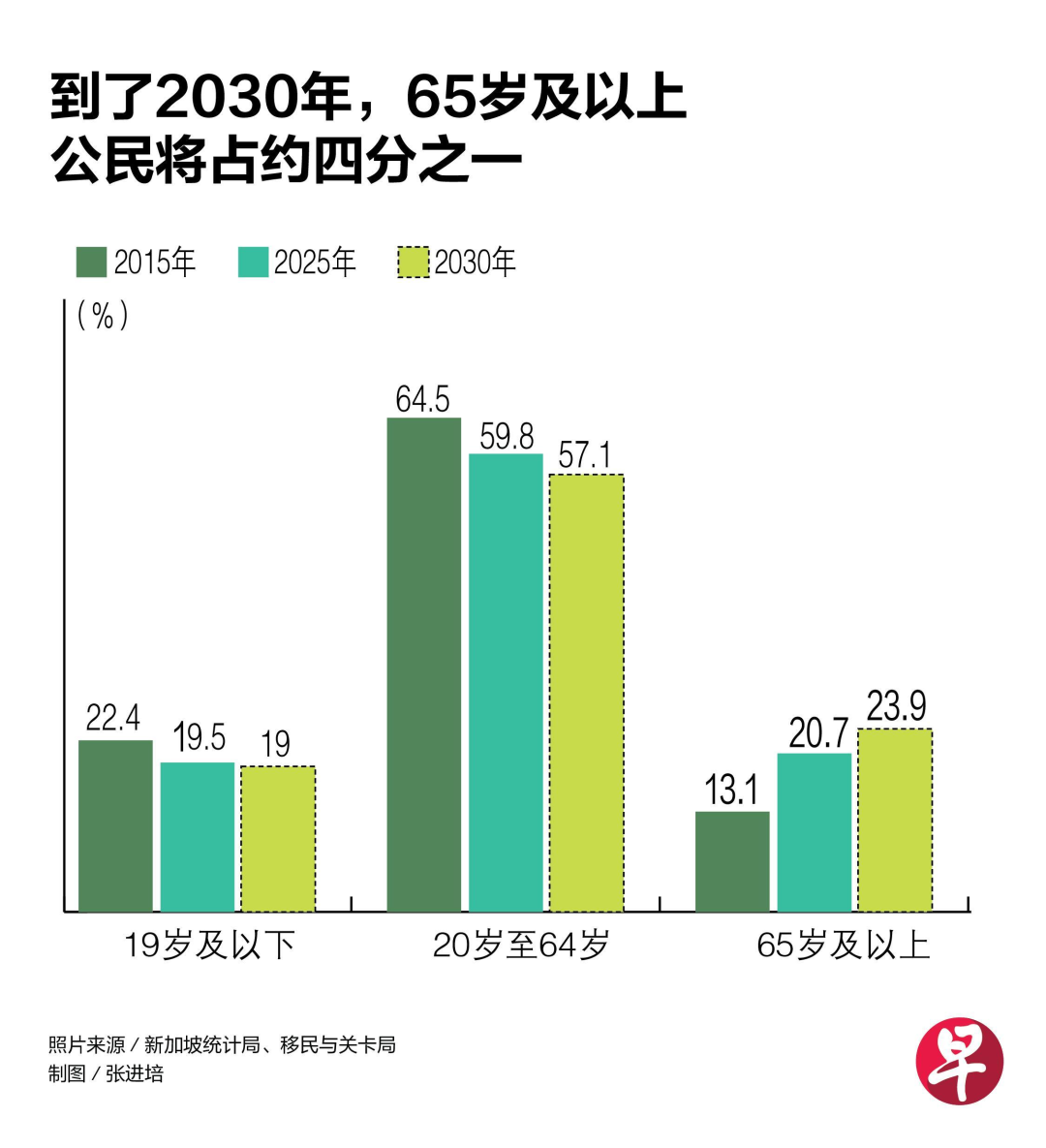
Source: DOS Singapore, ICA, Lianhe Zaobao
In addition, according to anotherreport releasedby the Singapore Ministry of Social and Family Development (MSF),the number of elderly residents aged65and above living alone reached about87,200in2024 , an increase of about11.6%from the previous year.
Challenges posed by accelerated ageing includedeclining labor force participation rates, rising pension/healthcare costs, higher social care needs of older age groups, and changes in family structures (e.g., more elderly living alone). Singapore, a land-strapped city-state with scarce resources, is particularly sensitive to these changes.

Source: DOS Singapore, Lianhe Zaobao
In summary, Singaporescores in terms ofthe “quantity“of population growth, butfaces structural pressures in terms ofthe “quality” ofpopulation growth:
The decrease in the young labor force and the increase in the proportion of elderly people have made it even more crucial to replenish the foreign labor force, and it also means that both the government and enterprises have to face the issues of “delayed retirement“, “skills retraining“, “intergenerational interaction ” , “ social care”, and so on. ” Social care“.

Fourth, delayed retirement has become the new normal:
Work permit holders can work untilthe age of63
To address the challenges of tightening labor supply and aging, Singapore’s Ministry of Manpower (MOM) has announced an important reform:
FromJuly1,2025,the maximum age of employment forWork Permitholderswill beraised to63years,up from the previousage of60years; and the previously limited maximum length of employment (14-26 years)will be removed.
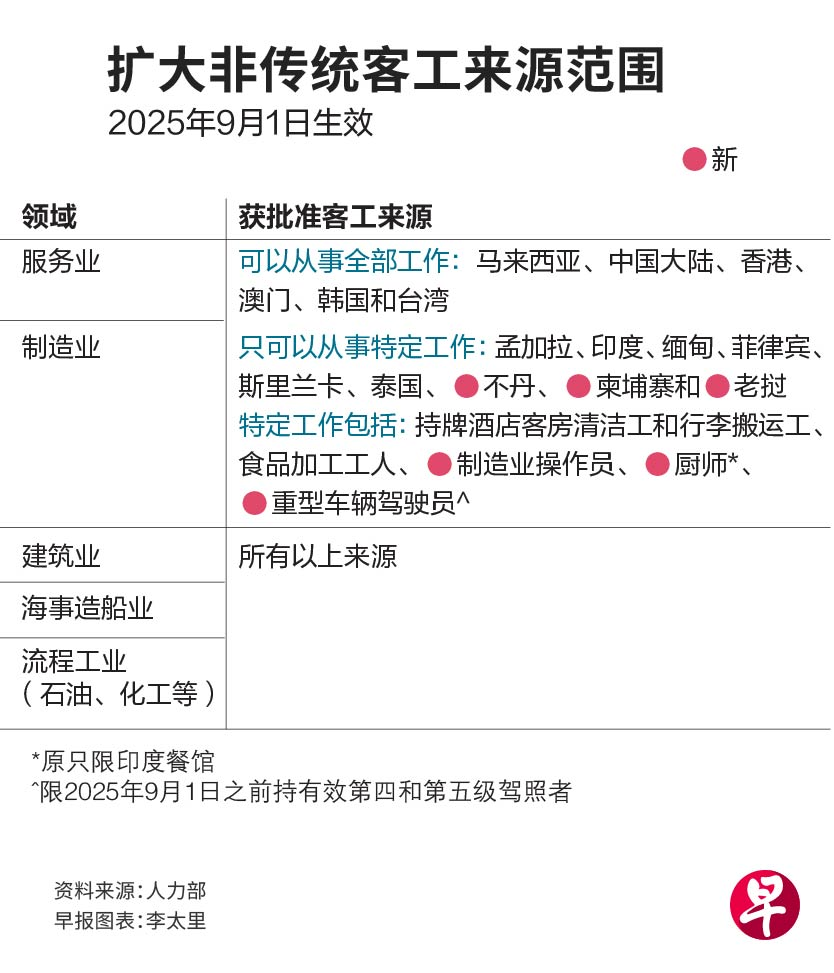
Source: MOM Singapore, Lianhe Zaobao
In addition, the maximum age limit for new applicants has been revised to61.
In other words:
Employers may continue to employ older but still productive foreign workers.
Foreign pass holders have greater flexibility in their stay and working hours in Singapore.
For those senior expatriate workers, this is a boon: it means that you will be working in Singapore for a longer period of time, with a relatively more substantial accumulation of experience.
At the same time, however, there is a reminder that although the upper age limit has been relaxed, it does not mean that“reaching theage of63will necessarily lead to a successful transfer toPR/citizenship“.Although the policy has relaxed the“years of employment“dimension,whenapplying for permanent resident (PR) or naturalization, officials will still consider“future contribution period“, “degree of integration“, “ value of skills/experience “, and so on. “Value of skills/experience“.
Therefore,while this reform is a positive signfor EPholders orthose whowish to switch to PR , what is more important is how toenhance their value proposition in Singapore“over an extended period of time“.
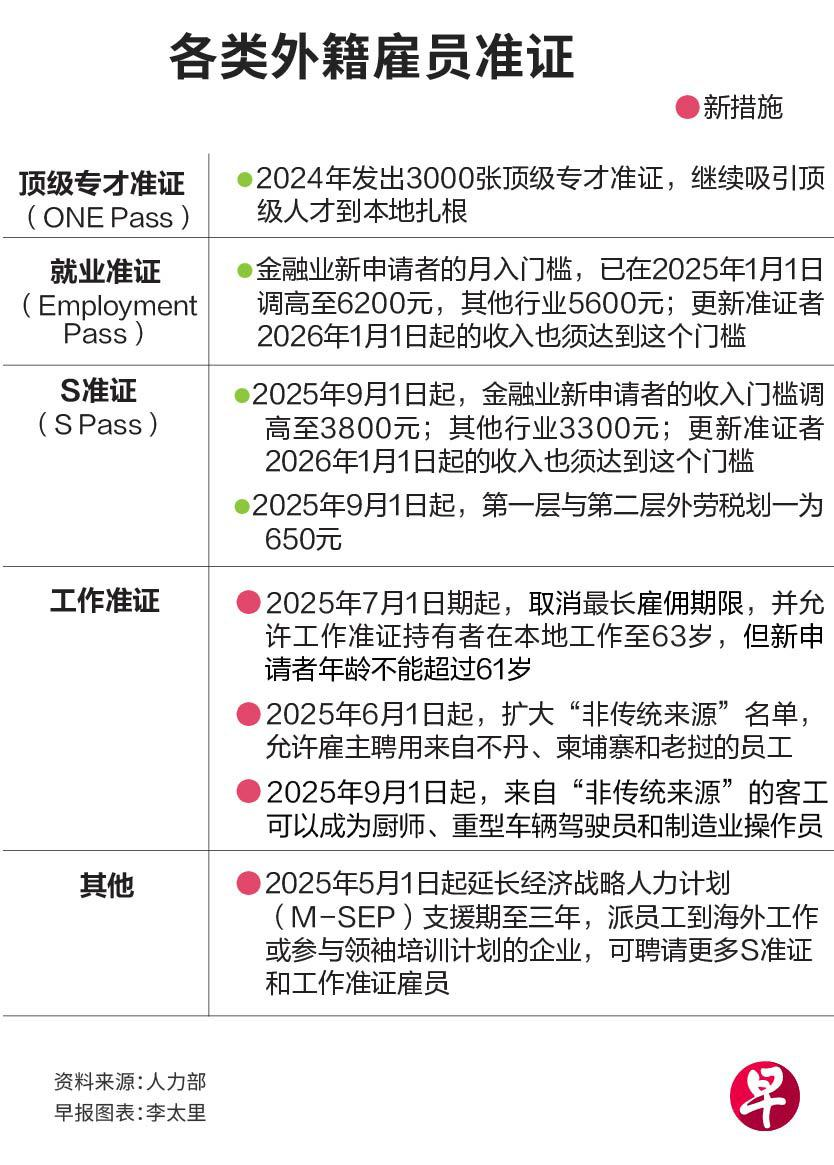
Source: MOM Singapore, Lianhe Zaobao

V.ImpactonEP andPRapplications
1.EPholders: stock of work and deep value enhancement
Forhigh-skilled passholderssuch asEPorS Pass holders, extending the age of employment means:
More time to gain local experience, participate in projects and network in Singapore.
If you are planning to apply forPR/citizenshipin the future, this means that your“contribution time“in Singaporewill be extended, which will help you to demonstrate to the immigration examinerthat youhave“become part of Singapore’s economy and society“.
Taking on senior roles in the industry, mentoring local talent, and getting more deeply involved in company-level development or transformation tasks will enhance your“high contributor“label.
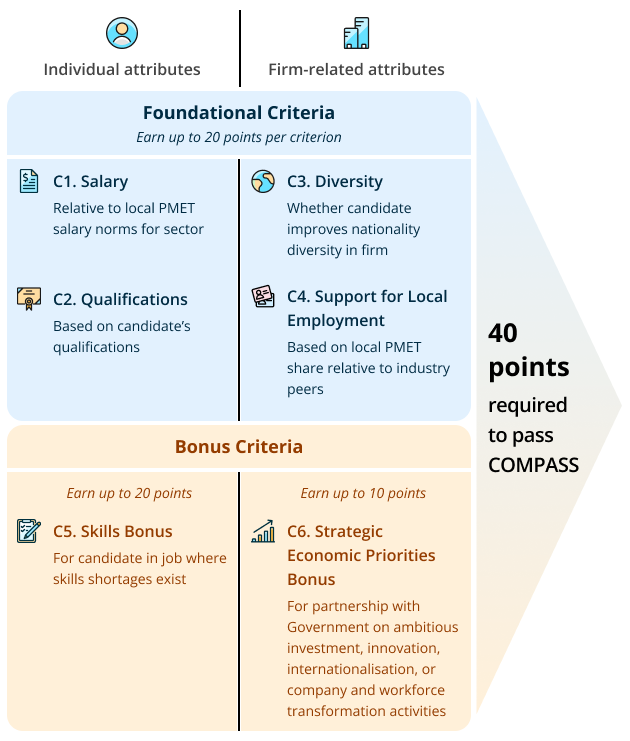
Figure/COMPASS, source: MOM
2. Applying forPR/transferring to citizenship: not only the time, but also the“future contribution“.
While the time accrual on eligibility has become more relaxed, the focus of approval has not been relaxed. Applications forPR(throughICA) orCitizenshipare still scrutinized:
Length and stability of employment in Singapore.
Whether the industry, company, or position has some influence.
Contribute to local talent development, community or industry.
Family integration in Singapore (spouse/children studying/residing locally) is also often considered.
Against the backdrop of growing numbers of non-residents and increased competition, applicants may need to be more“differentiated“.
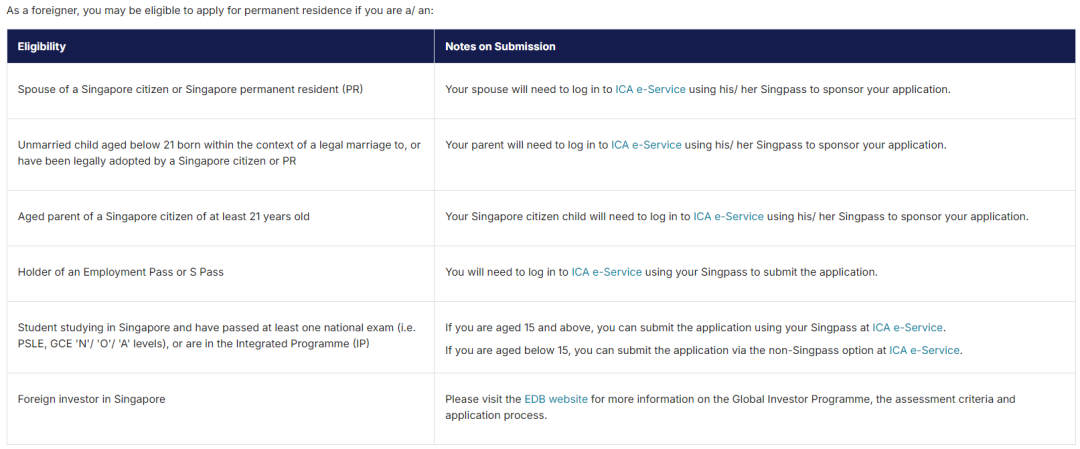
Figure/PR application requirements, source: ICA
3.The application environment in the context of non-resident growth: competition and positioning at the same time
As mentioned earlier, the non-resident population increased by about2.7 percentannually, from18.6to19.1million.
This context means:
The demand for foreign labor is still there, butthe era of“crude“growth may be over, and officials are increasingly emphasizing“quality“rather than just“quantity.“
Applicants who just go through the motionsof “get pass → stay in Singapore“may find it difficult to stand out; instead, they need to show“what kind of scarce talent they are“, “how they can bring spillover benefits in Singapore ” , “howtheycan integrate into the local community”, and ” what theycando“. Instead, applicants need to show “what kind of talent they are in short supply “, “how they can bring in spillover benefits in Singapore ” and “how they can integrate into the local community“.
For companies, they are required toprove the ratio of foreign talents to local talents and the company’s support for locals under systems such as COMPASS.
4. Recommendations forEPandPRapplicants
In the light of the above analysis, the recommendations are as follows:
Firmly positioned for the long term:Don’t think of Singapore as a stopover, but as a“medium to long term deployment“of your career/life. The extension of the age of employment offers this possibility.
Deepening local roots:Participation in local projects, joining industry associations, mentoring, involvement in corporate social responsibility (CSR), community volunteering – these“non-job only“dimensions are becoming increasingly important.
Evaluate industry background options:If your industry is officially encouraged, talent is scarce, and local talent can be driven. Thenthe advantage is more obvious whenapplying forPR/transferring citizenship.
The family factor cannot be ignored:if the spouse/children are able to live and study in Singapore, and are deeply connected to the community, this will be a plus for social integration.
Plan ahead, don’t wait forthe “last minute“: Although the upper age limit has been extended to63,the earlier you preparefor PR or naturalization, the better, asthe “future contribution period“will still be considered. Delaying until you are older and have fewer years of work left may be scrutinized as“insufficient contribution period“.

Source: United Morning Post, Schematic diagram

VI. Population strategies for the next decade:
Solving in Openness and Balance
Singapore is finding a new balance between population size, labor supply, and social structure. A few observations are worth noting:
1. Open but controlled foreign labor policies
Officials still bring in labor through non-traditional source countries (e.g., Bhutan, Cambodia, Laos, etc.) to fill the gap.
2. Enhancing older labor force participation
Delaying retirement and raising the age of employment are only the starting point, and the next more critical step is to upgrade the skills conversion and job adaptation of the older labor force (both local and expatriate). As mentioned in the report, automated technology and skills upgrading can help support older workers.
3. Increase family/childcare support
The low fertility rate (a total fertility rate of only0.97for the population in2024) makes natural population growth a challenge. Singapore must upgrade its family policy incentives to mitigate the aging structure.
4. Social integration and resource allocation considerations
As the proportion of non-residents rises, the pressure on public resources, housing, education and transportation will increase.The more sensitivethe society is tothe issue of“foreigners” and “immigrants“, themore carefulthe official governmentwill bein scrutinizingPR/citizenship.
5. Skills and talent structure optimization
In the future, it is not just about“having a labor force“, but alsoabout “ahighly skilled and innovativelabor forcethat can bring in local talents“.ApplicantsforPR/citizenship who can demonstrate“knowledge spillover” and “industry-driven“will be in a better position to do so.
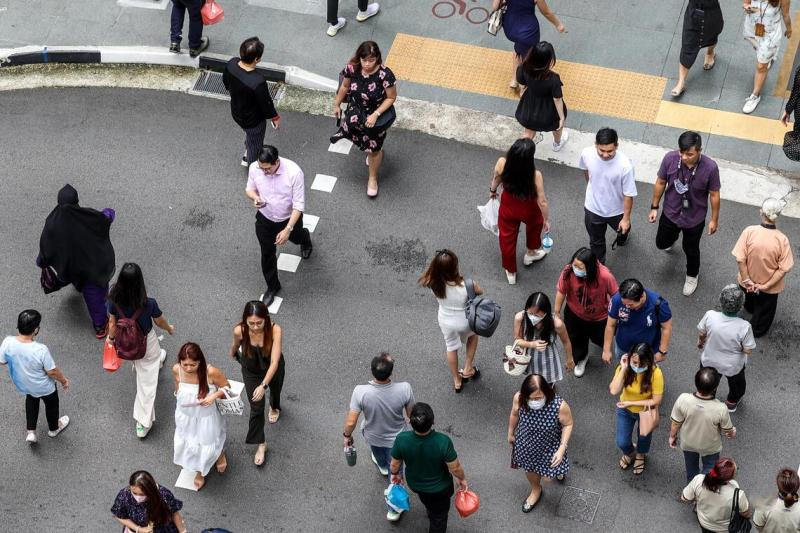
Source: United Morning Post, Schematic diagram
Conclusion:Grasping Your Position in the New Landscape of6.11Million People
In2025, Singapore’s population will reach the6.11million mark, a milestone. Behind the numbers, however, aremultiple structural changes in the form of a“rising proportion of non-residents“, “accelerated ageing” and “delayed employment age“.This is both an opportunity and a challengefor foreign pass holders,those whointend to apply forPR andthose whowant tochangecitizenship.
Your environment is changing: policies are extending your working life and providing you with more opportunities to deepen your career in Singapore, but at the same time, thescrutinyof“why you are here“and“what you bring to the table“is getting tougher. Positioning yourself as“part of Singapore’s economy and society“and not just“working in Singapore“will be key.
What else do you want to knowabout SingaporeEP,PR, Citizenship?
*References from: SingaporeNPTDandPopulation Briefing2025, DOS,MOM,ICA,ACRA,IRAS,MSF, Lianhe Zaobao, etc., synthesized news reports collated, reproduced with attribution, infringement and deletion of contact.
…
👇 Plus V enters Singapore’s largest outbound community 👇

Past Recommendations