

Ifthree monthsago, Japan was still a“student-friendly country“, “visa-accelerating country” and “talent bonus window“, now the situation is rapidly reversing.
The path to Japan, whichused to be considered“the most certain“, has suddenly become full of variables, withflights being cut off, a wave of accommodation cancellations, visa queues doubling, and international students and job seekers being affected.
For many, it’s not a planned route that suddenly becomes a hassle, it’s alife plan that is forced to be rearranged:
Those who studied abroad are not sure if they will still be able to enter the country without any problems;
Those who are preparing for language school are beginning to wonder if they should“stop“;
Those who want to get a high talent or switch to permanent residence are also evaluatingwhether this path is still worth the investment.
The question is no longer“can I go to Japan“, butwhether
going to Japan is still a worthwhile long-term investment.

I.500,000 air ticketsaffected.
Direct“cut-off“of Japanese immigration
On November12,2025, Takashi Hayabusa, who was Prime Minister, made a false statement. This statement quickly turned into an explosive diplomatic crisis.

Photo/Takaichi Hayabusa at the G20 Summit, Source: United Daily News, Erratum
Immediately thereafter, travelers from China and airlines reacted quickly:
Chinese airlines recorded about491,000 canceled tickets to Japan, accounting for about 32% ofthe total number of China’s plans to travel to Japan.
In some routes, the cancellation rate was once as high as 65%(e.g. Tianjin Binhai → Kansai); in other routes, such as Nanjing → Kansai,it was 59.4%; Guangzhou → Kansai, it was31.3%; and Shanghai → Kansai, it was30.1%.
Data show that the decline in Chinese tourists alone could cost the Japanese economy up to hundreds of billions of yen.
The numbers speak for themselves:
The “travel corridor“between Japan and Chinais rapidly narrowing. The reduction of flights and the wait-and-see attitude of travelers mean that the flow of tourism, exchanges and business has been hard hit. For theChinese community, whichhas long viewed Japan as agatewayfor“study, management, and high-caliber talent,“this cutback is no small matter.
In addition,according to data from the third-party travel platform Flight Manager DAST, as of 10 p.m. on Nov. 24, all flights have been canceled on 12 China-Japan routes, involving Nagoya, Fukuoka, Sapporo and Osaka.
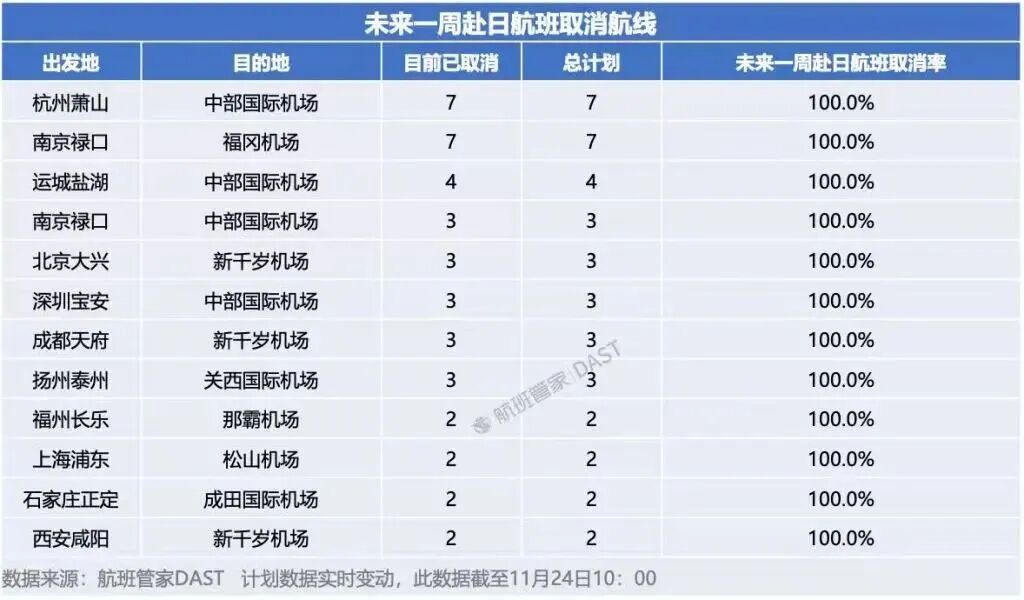
Image source: Surfing News, Flight Manager DAST

Second,200,000 apartment orders canceled:
International students and part-timers are all in chaos
The impact on tourism is only superficial; at the same time, lodging, B&Bs, and rental businesses in Japan that rely on Chinese travelers and students are facing real“cutbacks“. For example, in Hokkaido:
A Chinese entrepreneur, who operates four B&Bs in the area, said that more than half of his orders for the snowy season had been canceled. According to the entrepreneur, injust a few days fromNovember14, the number of cancellations soared, withmore than20 cancellations in a single day, and the accumulated loss exceeded RMB200,000 yuan.
The background of the situation includedthe high proportion of revenue from the snow season, the predominance of foreign tourists, advance bookings, and the difficulty of making up for cancellations.
Broader data shows that there isa serious lack of“backup sources“in the travel service, B&B, and apartment rental markets as a result of the decline in travelers.
Combining flight data with the source of travelers, it is clear that the business model for renting apartments, investing in apartments, and renting short-term lodgings in Japan is being weakened.
For thechain of part-time jobs, internships, language schools, and apartment rentals under the path of“high-calibermanagers,”such withdrawal and wait-and-see means higher costs, lower returns, and exposure to risk.
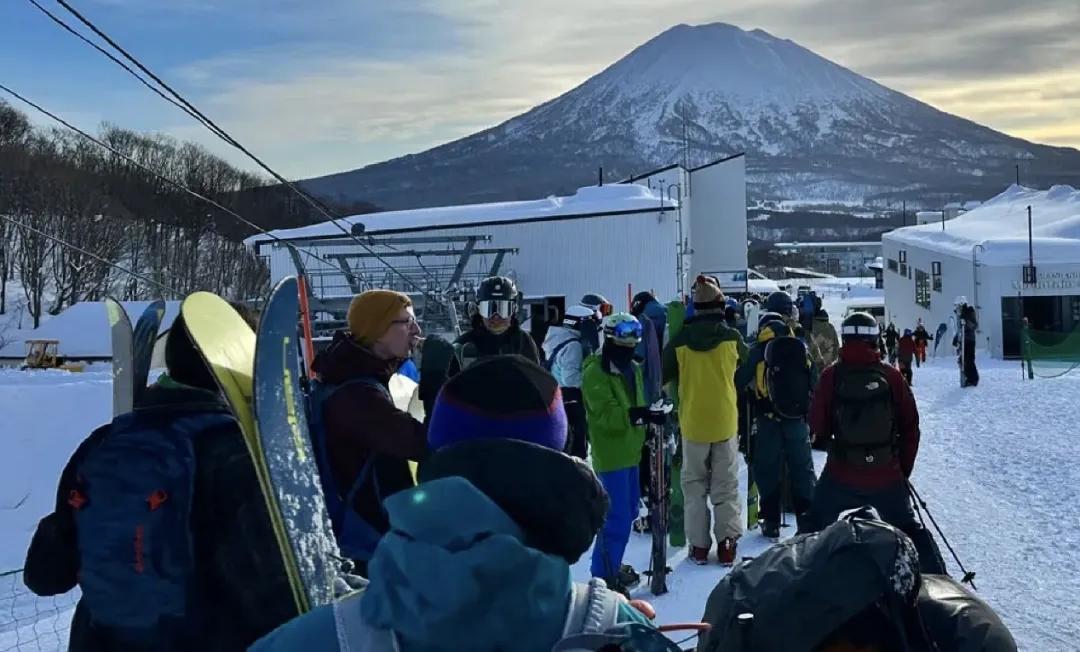
Schematic diagram, source: Phoenix Finance, Eye of the Storm, erasure

Third, the visa waiting period is lengthenedby threetimes:
Highly talented, managerial applicants wait until their minds are broken?
In addition to air ticket cancellations and accommodation cancellations,the current policy and environment in Japan is beginning to show cracksfor thosewho haveusedthe “Study in Japan, Internships, and Visas for Highly Qualified Personnel“as a gateway to the country.
1. Students and visas
According to the Japan Student Services Organization(JASSO), as ofMay1,2024, the number of international students in Japan was336,708, a year-on-year increase of20.6%.Among them,123,485are Chinese students, accounting for about 36.7%.
However, the Chinese Ministry of Education has recently issued a reminder to students studying in Japan:“Chinese citizens are advised to consider studying in Japan with caution“, notingthat “security and safety may become unfavorable factors“.
2. Talent Visa and Administration Program
Japan’s ZF previously set a goal ofattracting400,000international studentsby2033.theMay2024figure alone surpassed the312,000target set for2018.
However, education in economics and management, internships, and the introduction of high-caliber students depend on a stable international environment, smooth cultural exchanges, and a friendly visa policy. The current deterioration of the diplomatic environment has caused the“stay inJapan→internship→employment“chain to be in a state of disarray.
In other words, the series of visas, study abroad, internships, and apartments, which arethe “gatewayto Japan andhigh-caliber students,“are facingthe risk of“underlying structural changes“: fewer entrances, higher costs, and higher uncertainty.
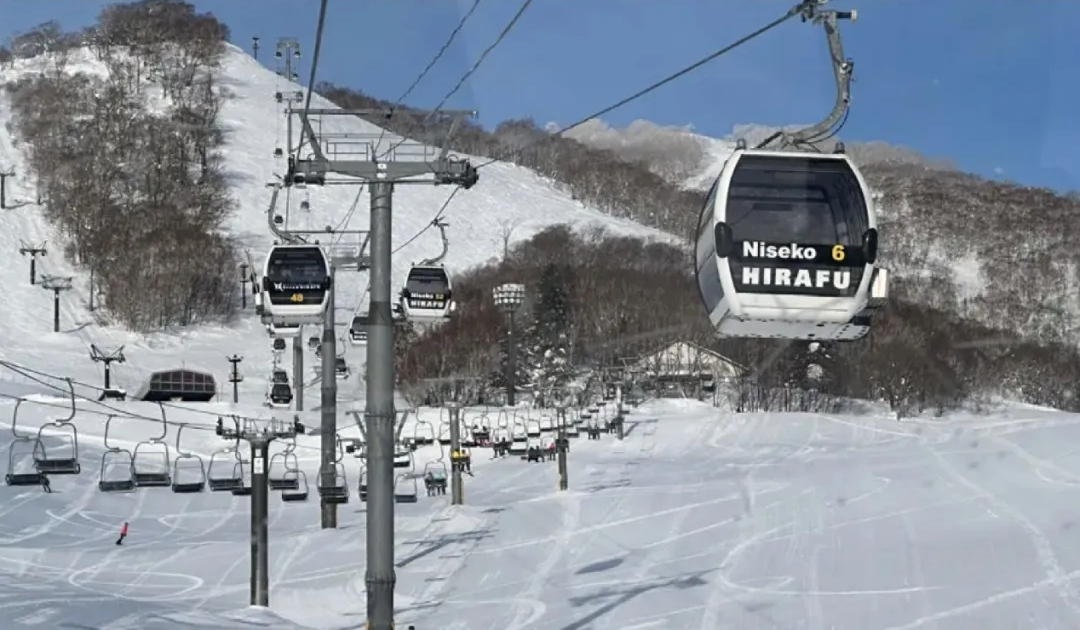
Schematic diagram, source: Phoenix Finance, Eye of the Storm, erasure

IV.30% ofcompanies suspend recruitment:
Japan’s talent policy is evolving in reverse
When the travel and student chain suffers, the talent and management education chain can hardly stand alone. The following points are of concern:
As a result of the decline in tourists and international students, there has been a sudden drop in traffic in Japan’s domestic industries, tourism, and services, which has led to a shrinkage of related recruitment, internship, and transfer opportunities.
A number of Chinese travel agencies and group tours have been forced to suspend or cancel the sale of products to Japan, as an important channel operator, which represents a significant weakening of the flow of people between China and Japan from the demand side.
Professional analysis points out that it is difficult for Japan to quickly replace the size of the market brought by Chinese tourists and students.
For high-end talent recruitment,MBA/MBA enrollment, and internship programs, the“brand+network“advantage will be challengedif access to China is restricted (less tourism, visas, and cultural exchanges).
Although there is no public data that accurately states that“30% ofcompanies have suspended recruitment“, industry observers point out that“longer observation periods, more cautious declarations, and slower conversions“are becoming the norm. This is theembodiment of“narrower channels, more choices, and more intense competition“.
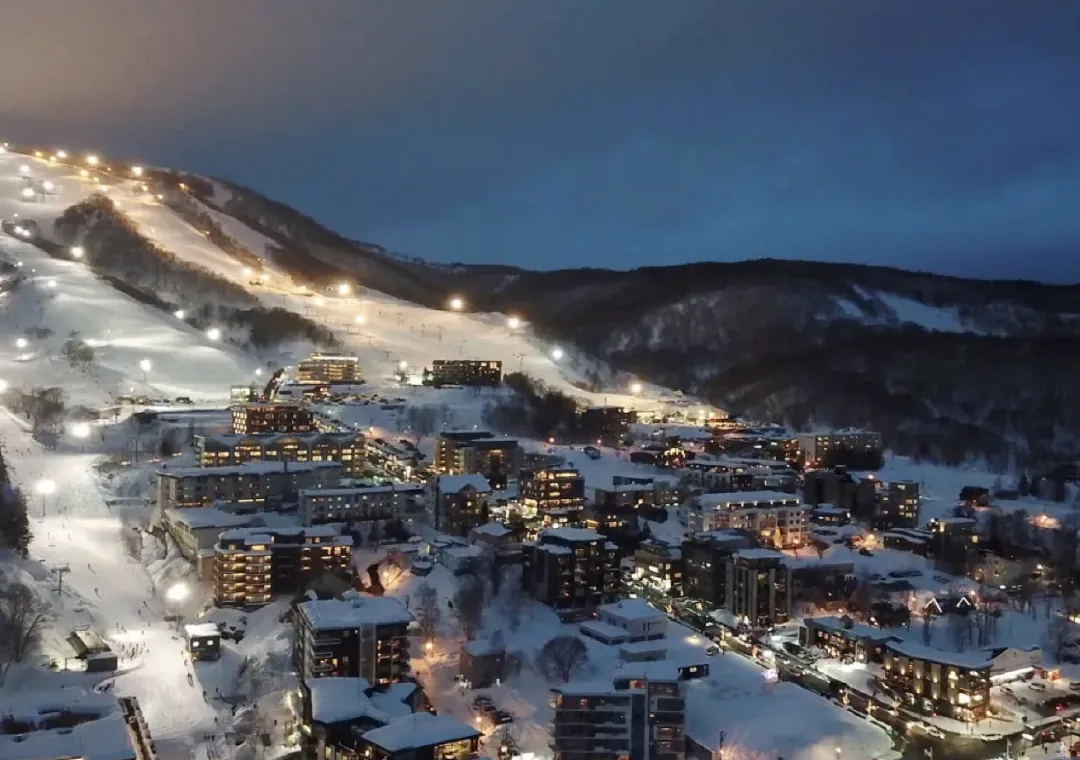
Schematic diagram, source:Phoenix Finance, Eye of the Storm, erasure

Fifth, two kinds of people take advantage of the chaos to“pick up the opportunity“:
The Japanese window is not completely closed
Although the risks are escalating, Japan is not completely“closed“for those who really seize the opportunity, have a clear structure and sufficient resources. Two groups of people are worth focusing on:
1、Adjust the vision, layout of the long cycle of the person
Those who are not looking for“short-term study,part-time job, andtransfer“but rather“long-term stay in Japan/high-end human resources development“are likely to have relatively more negotiating room in the current environment. Decreasing enrollment, visas, rental costs, and fewer competitors may provide structural advantages.
2. Diversified Path Players
If we look beyond Japan as thenode of“East Asia Economics and Management + Distribution of High-end Talents“and combine it with Southeast Asia, South Korea, Singapore, Europe and the United States, we will be able to better cope with the risk of chain breakage. Japan as a“suboptimal choice“or“combination path“may be more reasonable.
In other words, there is still“value” inthe Japanese pathway for management and higher education, but the key iswhether it has the capacity for adjustment and risk resilience.It is not“one path for Japan“, but“a system of multiple paths with Japan as a component“.
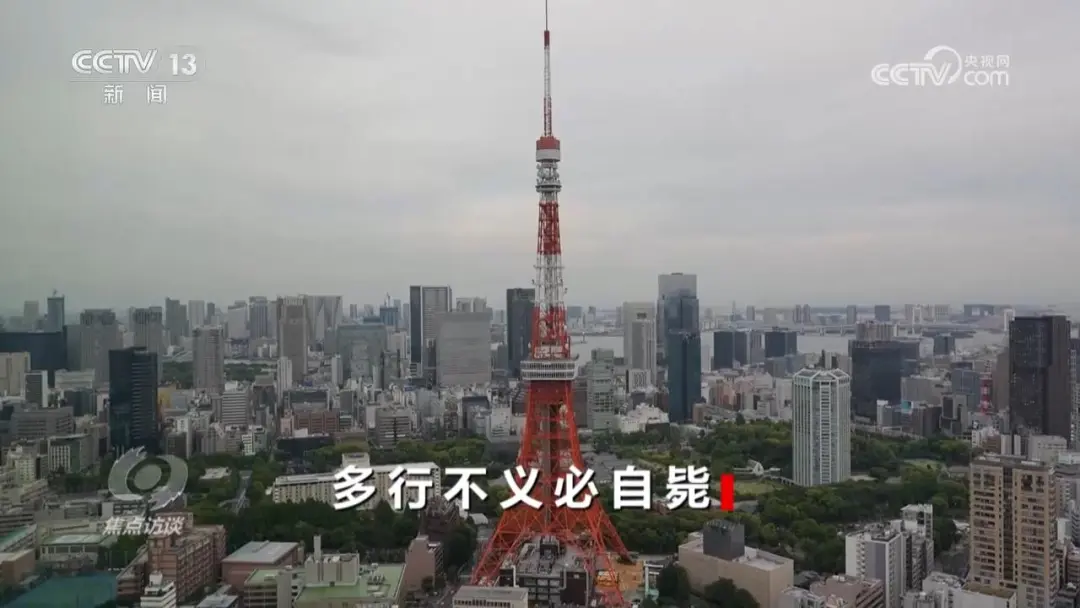
Schematic diagram, source: CCTV News, Focus Interview, infringement and deletion

vi. the next6-12months.
Can I still do Japanese identity? The answer is not absolute
1. Short-term (6-12months) judgment
Risk level: High. Tourism, study abroad, visa, and exchange programs may continue to be disrupted or slowly resume in the short term.
Rising costs: booking reductions, rental deposits, visa processing, and language school waiting periods are all likely to be extended.
Competition has increased: more people are waiting to see what will happen and may concentrate their efforts, making high-quality programs (housing, prestigious schools, internships) even more scarce.
Therefore, if you are thinking about“studying in Japan/management + part-time job + transfer to a full-time job“at this stage, and have a low flexibility in budget and a low risk tolerance, it is better to be cautious.
2. Medium-term (2-5years) judgment
If Japan’s ZF, universities, and companies take this opportunity to adjust their strategies to diversify student sources, strengthen Southeast Asia, improve the treatment of international students, and internationalize economic and management education, their“long-term attractiveness“may still be restored or enhanced.
Japan still has“strategic value“for applicants who have sufficient resources, can make alternate plans, or are willing to endure the waiting period.
Simply put,the Japanese Economics and Management + High Talent Pathwayis “doable“, butitcannot betakenfor grantedas it was in the past. It is necessary to have a clear entry strategy, risk preparation, and backup plan.

Schematic diagram,source: CCTV News, Focus Interview, infringement and deletion
Conclusion: In a word,it’s not“can’t do“, it’s“can’t do blindly“.
For many students, families, and businesses that have set their sights on Japan, the current China-Japan fiasco is a warning:
The target site cannot be single-point dependent;
The chain of visas, travel, study, and rentals could be dragged into the storm in an instant by a single diplomatic word;
The path to success is no longer“go to Japan, get a visa, stay in Japan as an intern“, but“go to Japan + see the path + preparePlanB+ wait patiently for the opportunity“.
If you’re thinking about it: is it still worth it to do a Nihon Keizai or Kojiki? The answer is: it’s worth it, but it requires more caution than ever.
Criteria may include: can you afforda 6-12month waiting period? Do you have a backup plan? Have you evaluatedthe entire chain of visa/rental/security/language?
In the next few years, Japan may turn a crisis into an opportunity, or it may fall back intothe passive mode of“relying on Chinesetourists/students“.But for you, itwould be more prudentto consider Japan as“one of the possible routes“rather than“the only exit“.All you need to do is:seize the moment, don’t be swayed by circumstances, and remain flexible and selective.
*Reference sources: CCTV News, Focus Interview, South China Morning Post, Red Star News, Tiger Sense, Phoenix Finance, Eye of the Storm,Surfing News, Flight Butler DAST,United Morning Post, JapanJASSO, etc., the comprehensive news reports collated, reproduced must indicate the source, infringement and deletion of contact.
…
👇 Plus V enters Singapore’s largest outbound community 👇

Past Recommendations