

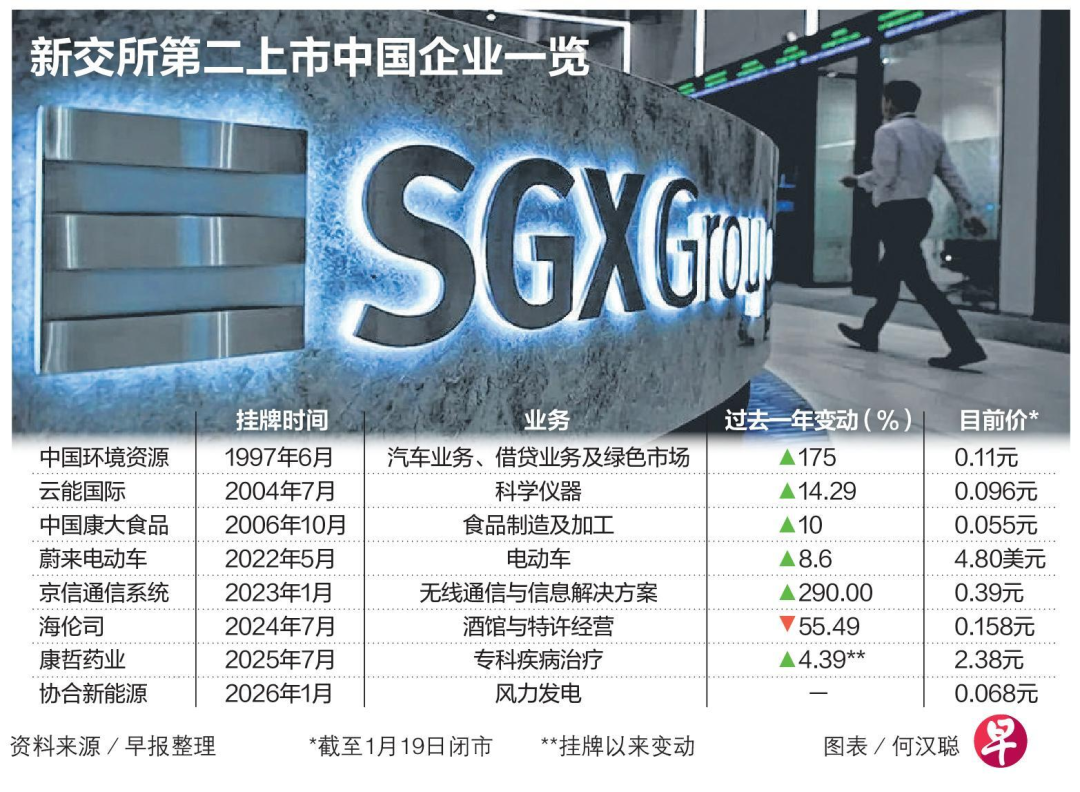
Recently, many powerful Chinese companies have listed in Singapore, such as Azera Electric Vehicle, Kangzhe Pharmaceuticals, and Hip Hop New Energy ……
Among them, on the first day of listing on the SGX, the share price of Hip Hop New Energy rose9%and the trading volume exceededS$130,000, making it the first Chinese company to successfully land on the Singapore capital market this year.
OnJanuary6, Concordia New Energy completed its second listing on the SGX, becoming the first company to list on the SGX this year. The Singapore-based renewable energy company operates83wind and solar power plantsaround the world.
Just eight months ago, Kangzhe Pharmaceuticals has taken the first step in Singapore to complete the second listing, the first day of listing share price also rose about 10%.
This trend is no accident.According to SGX data, there are about100Chinese companies listed on the SGX today, accounting for nearly20%of the total number of listed companies–almost one in five listed companies is from China.

I. Exemplary Leadership: Hip Hop New Energy Rises9%on First Dayto Become a Market Vane
Hip Hop New Energy had a bright first day on the SGX, opening atS$0.056andsurging more than16%at one point during the trading session, beforeclosingatS$0.061, up a steady9%throughout the day.
The wind power company had a full day’s trading volume of2,045,500shares and a trading value of$131,024.
The example of Hip Hop New Energy is representative. The companywas listed on Hong Kong’s main boardas early as2007and has many years of mature operational experience. It chose Singapore not to raise new capital, but tobroaden its presence in the Asian capital marketsby way ofan “introductory listing“.
Its chairman, Liu Shunxing, said this marks a key step in advancing the company’s global business strategy, helping to strengthen corporate governance and actively interact with the international capital markets.
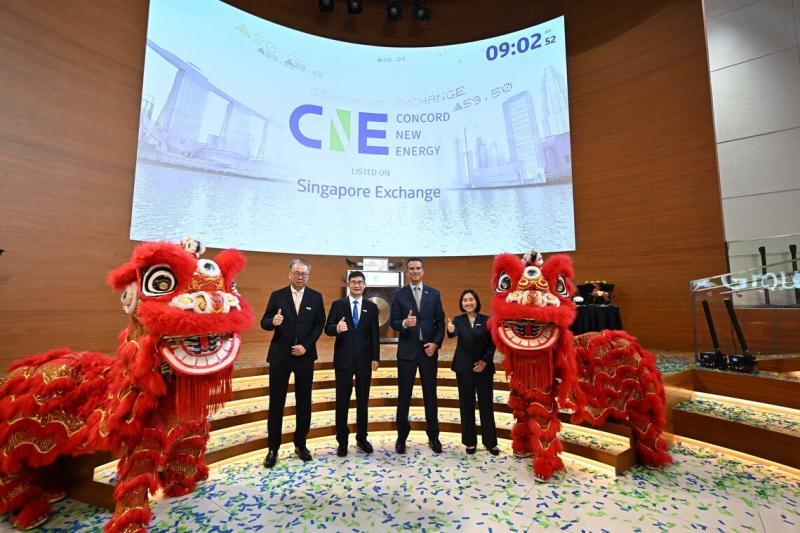
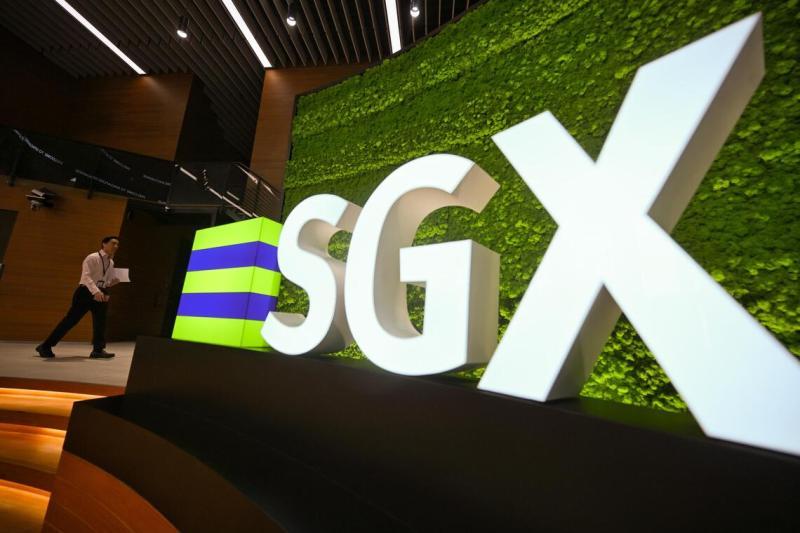
Photo / Concordia New Energy listing, source: Lianhe Zaobao

II. Policy simplification: regulatory cooperation to create a“fast track“to listing
The starting point forthis“structural warming“was a strong policy push.2025At the end of the year, the Monetary Authority of Singapore (MAS) announced that it would support thesecondary listing ofChineseA-share companies on the SGX.
The biggest attractionfor companiesis that the rules have been greatly simplified.Companies thatcomply withthe A-share listing rules can even follow China’s accounting and auditing standards for their secondary listing in Singapore.
SGX Executive Vice President Wong Yiu Lung revealed that its approval cycle has been compressed to about six to eight weeks, which is an obvious efficiency advantage over the queuing times in some markets, which are often measured in years.
The MAS has even introduced a series of incentives, includinga listing allowance ofup toS$2 million, and helped companies introduce matchmaking with sovereign funds such as Temasek.
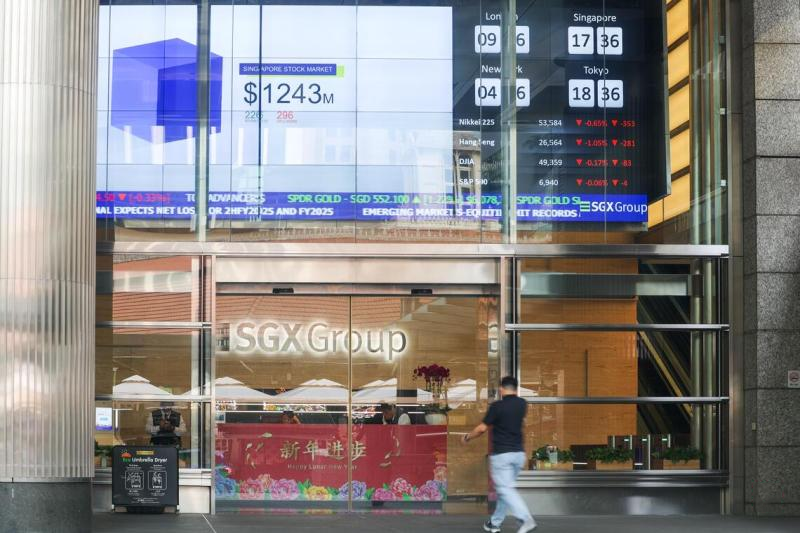
Photo/Source: United Daily News, SGX

III. Strategic Upgrade: Southeast Asia Layout Creates New Demand for Financing
At the heart of the choices companies are making is a shift in their business focus. Chinese companiesare shiftingtheir “going overseas“strategy from the mature markets of Europe and the United States to more emerging economies such as South-East Asia.
Recognized as the gateway to Southeast Asia and a financial hub,Singaporeis naturally an ideal capital platform. Listing here not only gives companies access to international investors, but also direct access to local Southeast Asian institutional investors and a large pool of family office capital.
For many Chinese companies planning to acquire assets or expand their business in Southeast Asia, it is more convenient to raise funds in Singapore dollars after listing in Singapore or to use shares as a payment vehicle for acquisitions.
As market participants have said, listing in Singapore is tantamount to having a“Southeast Asian passport“that enhances regional credibility and negotiating position.
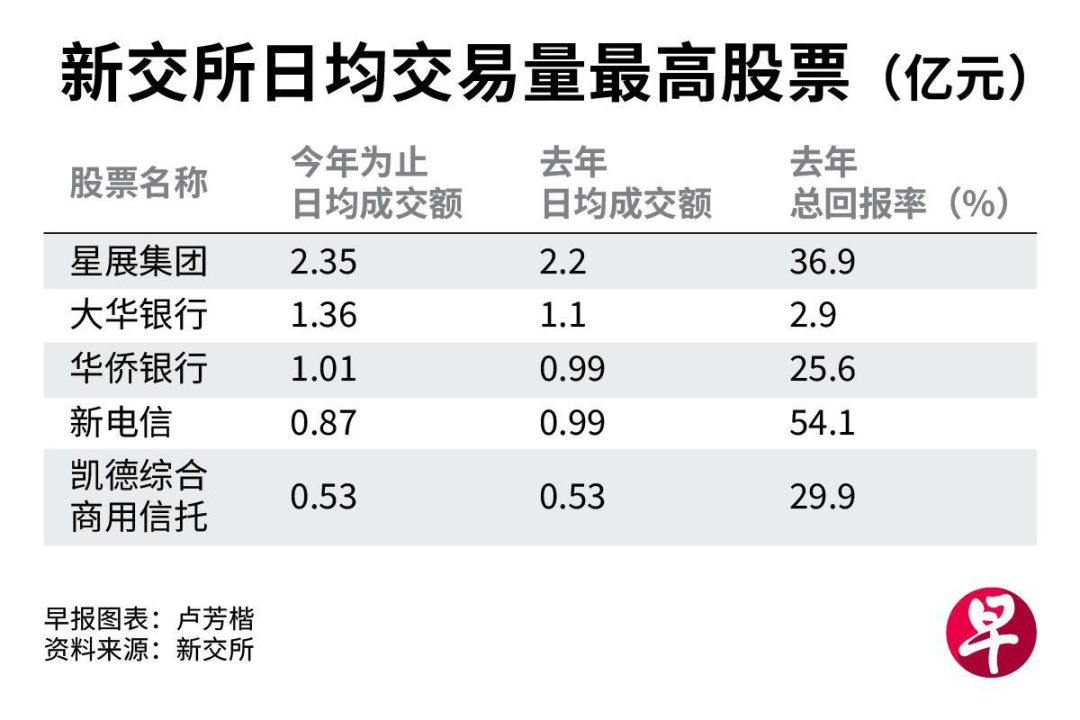
Photo/Source: United Morning Post

Fourth, the obvious advantages: precise positioning into the international capital access point
The attractiveness of the Singaporean market is mainly due to its precise“positioning“. It is a hub that connects Southeast Asia to the global market, and is particularly suited to companies in the energy, infrastructure, shipping, and biomedical sectors that wish to establish a foothold in the regional market.
SGX brings together sovereign wealth funds, institutional investors and Asian family offices from around the world. These investors typically focus more on the long-term cash flow and regional growth prospects of the business.
For companies, this means having access to adifferent type of“patient capital“than the traditionalA-share or Hong Kong stock market. At the same time, Singapore allows the internationalization of the SGD to be freely convertible, and listing and raising SGD in Singapore provides a natural hedge against the exchange rate risks associated with doing business in Southeast Asia.
Schematic diagram, source: United Daily News

V. Clarity of Requirements: Main Board and Kelly Board Provide Differentiated Options
When listing on the Singapore Exchange, companies are faced with two different board options:the Main Boardand the Kelly Board. They are like two different runways for companies at different stages of development.
1、Main board
It is equivalent tothe “Mature Business Track“. It mainly welcomes companies that have grown steadily, have a certain size and a track record of profitability. To list here, companies usually need to meet some clear financial thresholds.
For example, cumulative pre-tax profits of not less thanS$30 millionfor the past 3 yearsand a profit for each year.Alternative criteria such asmeeting higher market capitalization requirements (e.g. not less thanS$300million)can also beapplied forif the profitability is not fully met.
In addition, Main Board companies will be required to place at least25%of their shares in the hands of public investors. After listing, companies will be regulated directly by the Exchange.
2、Kellyboard
It can be regarded asa “high potential growth track“. It is designed for innovative companies that are in the midst of a rapid growth period, but may not yet have achieved stable profitability.
It has much more flexible entry requirements: there are no hard and fast earnings or market capitalization thresholds, and no specific rules on equity distribution.
One of its core features is the “Sponsor Oversight Regime ” – companies are required to engage and retain on an ongoing basis an SGX-accredited sponsor, who will guide and monitor the company’s compliance with market rules. This amounts to a more flexible listing path for high growth companies.
In addition, forA-share companiesalready listed on the Shanghai or Shenzhen stock exchanges in China, SGX offers a special “Secondary Listing Framework“(A+SFramework).
Eligible companies can greatly simplify the process by simply followingthe rules oftheir primary listing venue (i.e.,the A-share market), which provides a convenient channel for established Chinese companies returning to or expanding into international markets.
Schematic diagram, source: United Daily News

Sixth, the process is clear: five steps to go through the whole process of listing
Listing in Singapore, especially for an initial public offering, is a systematic process that is divided into five key stages:
Stage 1: Pre-preparation and internal decision-making
Enterprises need to assess whether they are eligible for listing and determine the listing target (e.g. Main Board or Kelly Board).
More importantly, the filing application for overseas listing must be completed in accordance with the requirements of the China Securities Regulatory Commission. At the same time, companies need to set up a professional intermediary team, including offering managers, lawyers and auditors.
Stage 2: Application Submission and Regulatory Review
Once the preparations are in place, the Issue Manager will formally submit the listing application to the SGX-ST on behalf of the Company.
Applications are scrutinizedby the SGX’sIPOAdmission Team and if there are no significant issues,the company will receive aConditional Letter of Eligibility (LOEL), usuallywithin 8weeksof submitting the application.
Stage 3: Prospectus Offering and Official Listing
After regulatory approvals are obtained, the company can then publish a final prospectus and begin a public offering to investors.
Following the successful pricing and allocation of shares, the Company will eventually be officially listed and traded on either the Main Board or the Kelly Board of the SGX-ST.
Schematic diagram, source: United Daily News

VII. Coexisting Challenges: Mobility Differences Test Corporate Endurance
Despite the many advantages of listing in Singapore,the relatively limited liquidity of the market and the differences in investor perceptionsare also challenges that companies must face.
The relatively small size of Singapore’s local market and the overall weaker liquidity and depth of the capital market than the Hong Kong market may constrain the scale of corporate financing andhave an impactonthe pricing and subsequent liquidity oflargeIPOs.
The investor structure of the SGX is dominated by local and regional funds, Southeast Asian sovereign funds and some international funds, with relatively limited awareness of and interest in Chinese companies, particularly those in non-traditional sectors, which may affect valuation levels and trading activity.
To adapt to the Singapore capital market, companies need to make adjustments in the areas of disclosure, corporate governance and investor relations management to adapt to more international and principled regulatory and market practices.
Schematic diagram, source: United Daily News
[Conclusion]
On the floor of the Singapore Exchange, the number of ticker symbols on the trading screen is quietly increasing.Hip Hop New Energy’s9%rise on its first dayis the beginning of the market’s recognition of this value.
ForChinese companiesplanning to“go overseas“, the Singapore Exchange provides not only a financing window, but also a strategic pivot point for leveraging growth opportunities across Southeast Asia.
As Ernst & Young Greater China Listing Services Managing Partner He Zhaofeng judged, listing in Singapore is likely to become a “normalized and complementary strategy“in the international financing landscape of Chinese enterprises in the future.
*Reference source: SingaporeSGX,MAS, United Daily News, comprehensive news reports collated, reproduced with attribution, infringement and deletion of contact.
……
👇 Plus V enters Singapore’s largest outbound community 👇

Past Recommendations