

In the wake of the “great cold,” the United States has entered a new immigration inflection point.2025, Trump returns to the White House, and the immigration system is being tightened across the board, from the authorization side, to the visa side, to the border enforcement side.
However, in thewave of public opinion that“it is more difficult to immigrate to the United States“, the story of an Asian woman is particularly contrasting–the Hmong girl ShengThao(Sheng Thao) has not only successfully integrated into the American society, but has even become the mayor of Oakland, California.
Born to a family of Laotian refugees, the eighth of nine siblings, she spent her childhood living in a long-term shelter, dropped out of high school, worked as a cashier and at odd jobs as an adult, but eventually bucked the trend and took the helm of a major U.S. city.
Why has she become theposter child for theAmerican Dreamat a time when immigration policies are being tightened across the board?

I. The growth of the Hmong girl Sheng Tao and her path to politics
Sheng Tao’s family background is highly representative. Her parents are from the Hmong ethnic group in Laos and came to the United States after the Vietnam War, settling in Oakland, California. While her parents initially worked in low-paying manual labor jobs in the United States, they always valued education and saw their daughter’s development as the hope for the family’s future.
Sheng Tao was educated in Oakland public schools, and with hard work and excellent grades, she enrolled in a local community college before transferring to the University of California, where she specialized in public administration and political science. Her educational experience exemplifies the typical pattern of immigrant families investing in the education of their next generation, and it also laid the foundation for her later career in politics.

Photo/Sheng Tao, Source: Time Magazine
Sheng Tao’s path to politics began with grassroots community service, where she was actively involved in local education, social welfare and community development programs to improve the living conditions of residents in low-income neighborhoods.In 2018, she was elected as an Oakland City Councilor, becoming the first Hmong female councilor in the city’s history.
During her time on the City Council, Sheng Tao has led a number of education and community development policies, with a special focus on the rights and opportunities of immigrant communities. These efforts have not only provided her with a wealth of political experience, but have also earned her the widespread trust of her constituents.
In 2022, she was successfully elected mayor of Oakland, becoming one of the first mayors in the nation to be born to a Southeast Asian immigrant family.
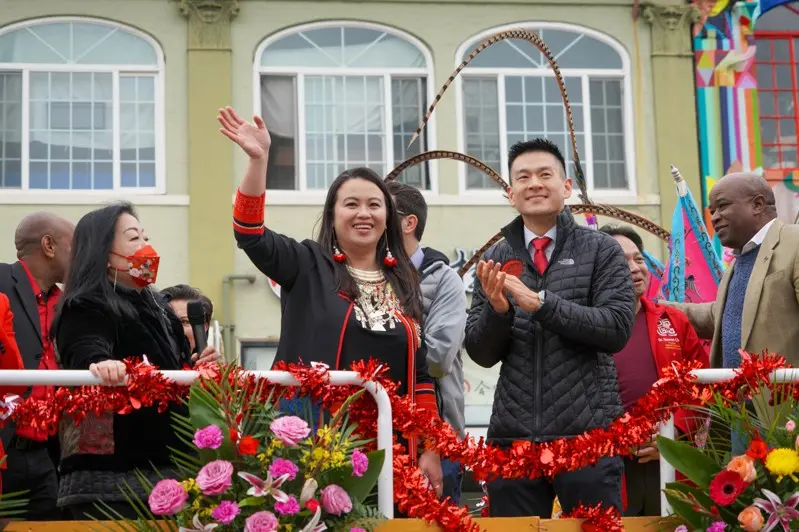
Photo/Sheng Tao elected mayor of Oakland, Credit: The Times
Sheng Tao’s success reflects the complexity of American immigrant society: even in the context of tightening U.S. immigration policies, immigrants with educational backgrounds, community influence, and leadership skills can still gain access to opportunities in the political and economic spheres.
This is highly compatible with the goals of skilled immigration and green card policy–the United States officials, although tightening low-skilled immigrants, but for the ability to create economic value and promote the development of society’s high-end talent is still welcome.
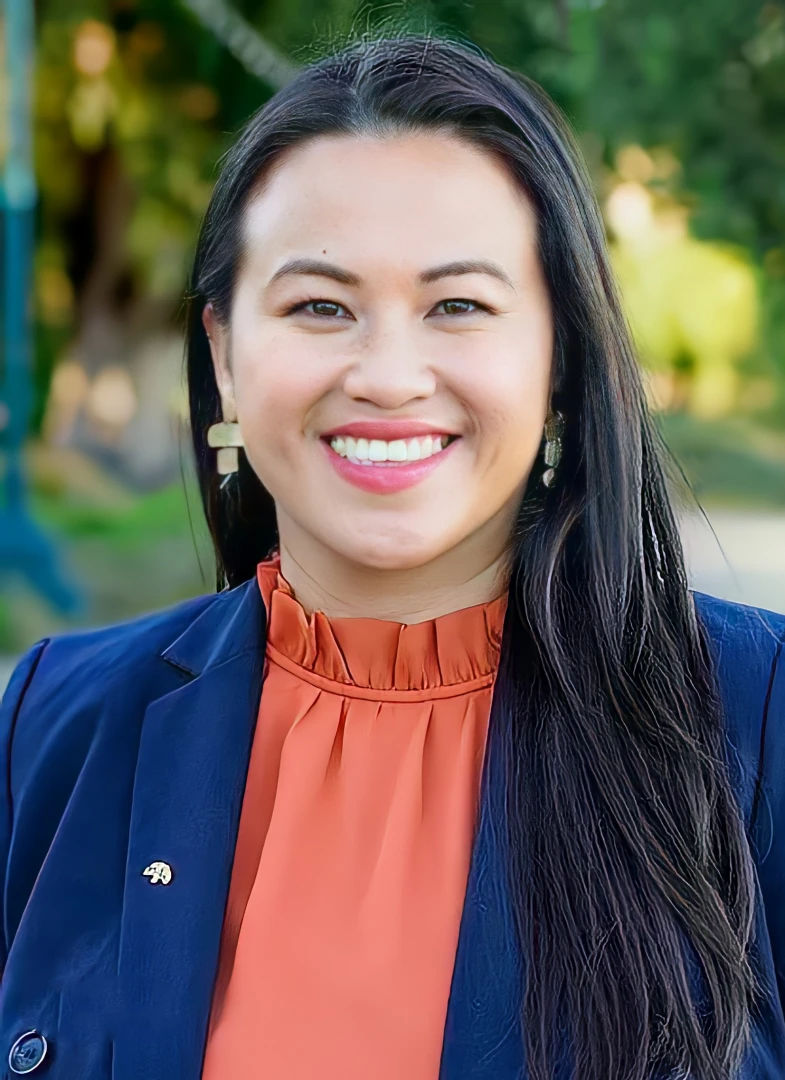
Photo/Sheng Tao, Source: Yahoo News

Second,the background ofTrump’s tightening ofH-1Bvisa policy
H-1Bvisa is an important way for the United States to introduce highly skilled overseas talents, mainly for scientists, engineers, programmers and other professional and technical personnel. Since Trump took office, he has repeatedly emphasizedthe “protection of the local workforce“andimplemented a number of reformsin theH-1Bvisa:
1. Raise visa fees:In2025, U.S. officials willraisethe cost ofH-1Bvisa applicationsdirectlyfrom about$1,000to$100,000 to ensure that only those who are truly highly skilled and cannot be replaced by the local labor force can apply.
2, to prevent the suppression of local wages:Trump’s team asked companies tocomply withthe “prevailing wage level“whenapplying forH-1Bvisas, to prevent companies from undercutting the salaries of U.S. native technicians through foreign labor.
3. Strict scrutiny of applications:The new regulations require the submission of more detailed application materials, including the real needs of the job, and the match between the applicant’s skills and the job.Companies thatviolate the use ofH-1Bvisas may face penalties.
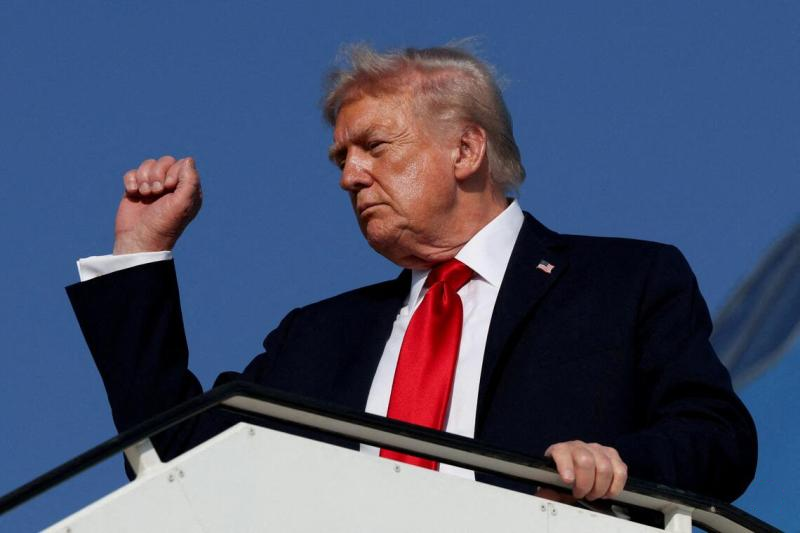
Photo/Trump, Credit: United Daily News
While these measures have made it more difficult for companies to hire overseas talent, Trump has emphasized in numerous public appearances that the U.S. still needs skilled talent from overseas.
OnNovember12,2025, on the Fox News program “The Ingraham Perspective,” Trump said,“We don’t have certain specific talents. Our workers still have to learn. You can’t just pull unemployed people and say I’m going to put you in factories. We’re going to build missiles.“This statement suggests that Trump’s goal in tightening his policies is to optimize the talent mix, rather than rejecting skilled talent from overseas altogether.
Reforms to theH-1Bvisa policy have sparked widespread concern in the corporate world. Tech giants such as Google, Microsoft, and Amazon have long relied on highly educated talent from India and China, and these reforms may force companies to adjust their talent strategies or even relocate some of their R&D and operations positions to countries such as Canada, Singapore, and Germany.
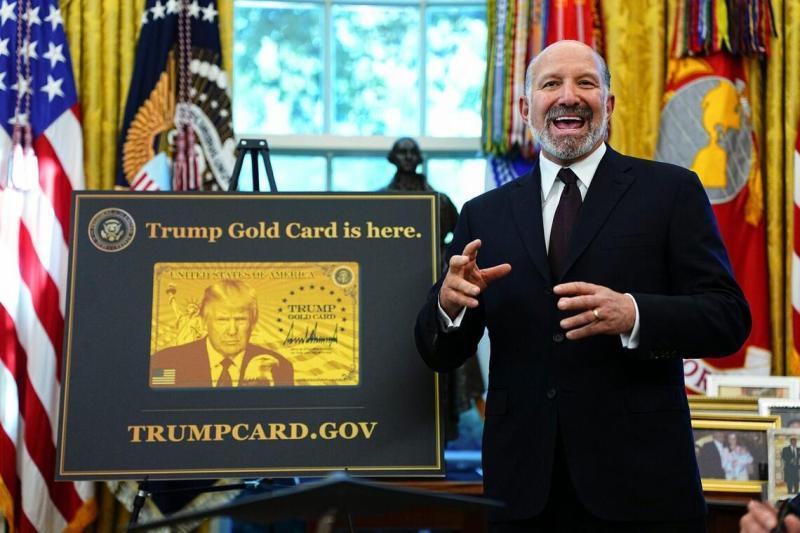
Photo/U.S. Commerce Secretary Lutnick,Credit: United Daily News

III. The Importance of U.S. Skilled Migration and International Students
While the Trump team has tightened its immigration policies, it has taken a more open-minded approach when it comes to international students, especially those from China.
Trump pointed out that U.S. colleges and universities rely heavily on tuition revenue from foreign students and could face a financial crisis if the number of foreign students is cut. According to the U.S. State Department, about300,000 Chinese students are granted visas to the U.S.each year, accounting for a quarter of the total number of international students.
In 2025, Trump plans toincreasethe number of Chinese students from300,000 to600,000in two yearsto shore up the U.S. higher education system.
Chinese students not only provide tuition income, but alsosupply U.S. colleges and businesses with talentinSTEMfieldssuch as technology, engineering, and medicine.
About half of them choose to work in the United States for a short period of time after graduation, about a quarter eventually emigrate, and the remainder return to their home countries. This means that international students both support the college economy and, to some extent, enrich the U.S. talent mix, especially the supply of highly skilled workers.

Photo/Trump, Credit: Fox News

IV. Green Card andEB-1/EB-2 NIWReform:
New opportunities for top talent
For skilled immigrants who wish to stay in the U.S. for the long term, a green card (permanent residency) is key. Recently, the U.S. Department of Homeland Security (DHS) and the U.S. Citizenshipand Immigration Services (USCIS) initiatedthe Immigrant Worker Petition Reform,codenamedRIN 1615-AC85, which focuses on reformingthe EB-1Afor Exceptional Talents andEB-2 NIWNational Interest Waiver immigrant programs.
These reforms have important implications for top talent in China and beyond:
1. Raising the bar:EB-1AandEB-1Bwill redefine“outstanding talent“, no longer relying solely on the number of papers, association memberships or letters of recommendation, but emphasizing actual contributions, industry influence, and sustained reputation.
2. Refinement ofEB-2 NIWcriteria:especially in the fields of medicine and scientific research, it is necessary to provide detailed records of social contributions and services to prove that they are in the U.S. public interest.
3. Real job offer and employer verification:USCISwill have the right to conduct on-site inspections of employers to ensure that the applicant’s position is real and to eliminate“paper talent“.
These reforms reflect a new trend in U.S. immigration policy:no longer blindly attracting talent, but accurately introducing truly highly skilled and value-creating international talent.
For Chinese skilled immigrants planning to apply for a green card, the“window“before the reform has not yet officially landedis particularly critical, and submitting an application early can lock in the existing relaxed standards.
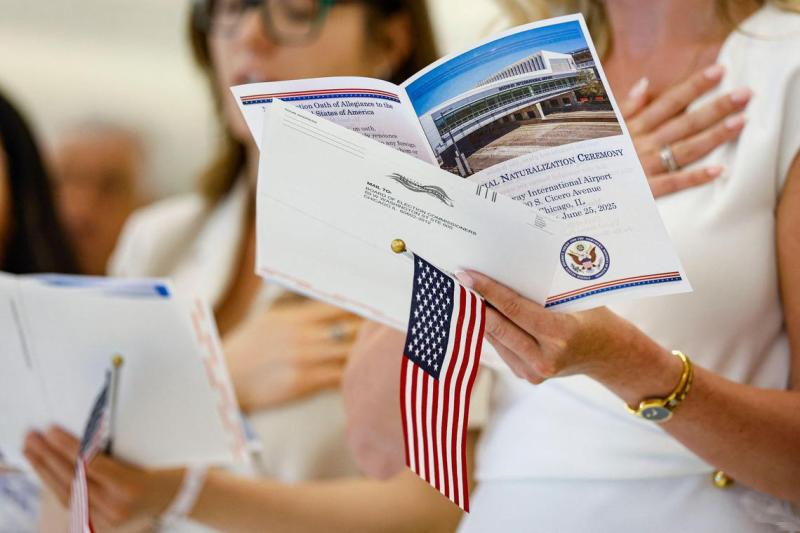
Photo/U.S. Naturalization Exam, Source: United Daily News

V. Policy-business-society interaction
1.H-1Band green card policies not only affect individuals, but also directly relate to business and social development:
Strategic realignment of tech companies: New regulations raise costs, prompting companies to optimize hiring strategies and even set up R&D centers overseas to circumvent visa restrictions.
Trends in international mobility:As visas become more difficult to obtain, some highly skilled individuals may choose countries such as Canada, Singapore, and Germany, posing a challenge to long-term U.S. science and technology competitiveness.
Education and economic linkages:The tuition and living expenses paid by international students at U.S. colleges and universities provide important support for colleges and universities and local economies. Without foreign students, the financial stability of the higher education system would be threatened.
Social Structure and Inclusiveness:Sheng Tao’s success exemplifies the inclusiveness of U.S. society toward immigrants in both the educational and political spheres, where truly capable people can still make a difference, even in an environment of tightened policies.
2. Future Prospects: Win-Win for Skilled Immigrants and the U.S. Economy
Skilled immigrants will continue to be an important support for the U.S. economy:the highly skilled talent attracted bythe H-1BandEB-1/EB-2 NIWsis critical to the technology, manufacturing, healthcare, and innovation industries.
International students continue to underpin the education system:international students from China and other countries will continue to play a role in universities and research institutions, while boosting the local economy.
Gradual policy precision:U.S. immigration policy will pay more attention to the quality of talent and economic contribution, policy tightening is not a rejection, but optimization.
Global Competitive Landscape:As U.S. policies tighten, other countries such as Canada, Singapore, and Germany may attract some of this talent, challenging the U.S. to remain globally competitive in science and technology.
Overall, theH-1Bvisa reform, green card policy updates, and immigration success stories such as Shengtao, together reveal the future trend of U.S. skilled immigration:highly skilled, high-value, and sustainably contributing talent will be the focus of the policy, while early action and precise planning are the keys to accessing opportunities for international talent.
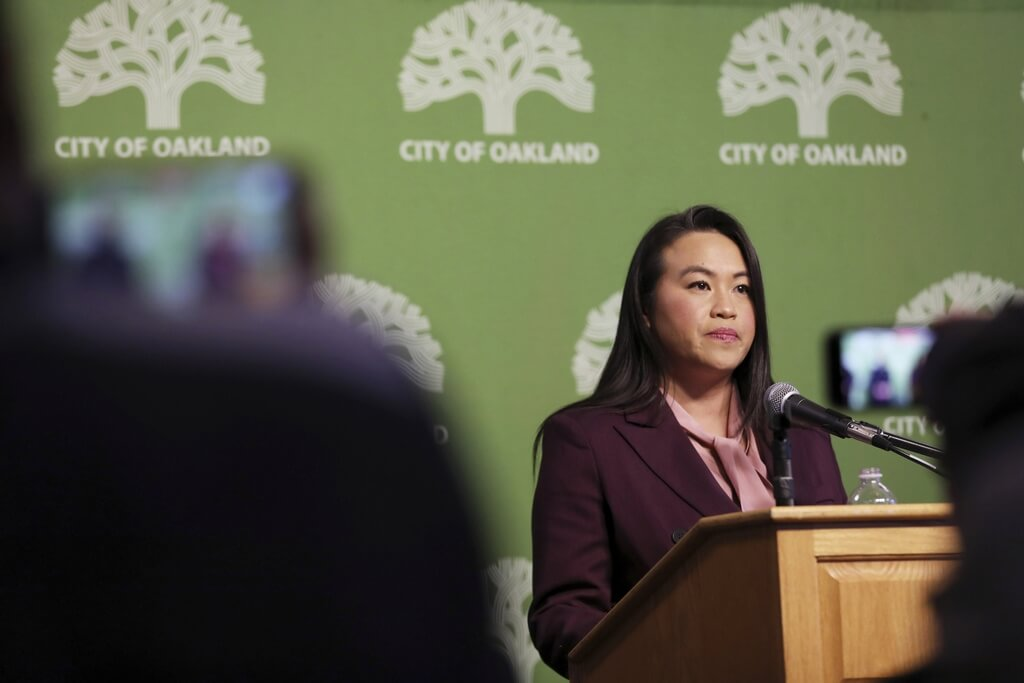
Photo/Sheng Tao, Source: Associated Press

VI. Insights from the story of Sheng Peach:
Opportunities under tighter policies
Sheng Tao’s experience shows thateducation, ability and community influence are the keys to breaking through thetightening of U.S. immigration policy. Not only did she gain access to politics through her personal efforts and educational background, but she also brought tangible improvements to the immigrant community in Oakland.
This is highly compatible with the core goal of skilled immigration and green card policy: the United States welcomes highly skilled individuals who can create value and advance society.
For international talent, whether applying for anH-1Bvisa or anEB-1/EB-2 NIWgreen card, the key to success is:
Continuously improve your skills and industry influence;
Choose a career path that meets the national interest and the needs of society;
Take advantage of the policy window and plan your application in advance;
Shengtao’s success shows that even in the context of tightening policies, those who are prepared and strong can still stand out in American society and the workplace.
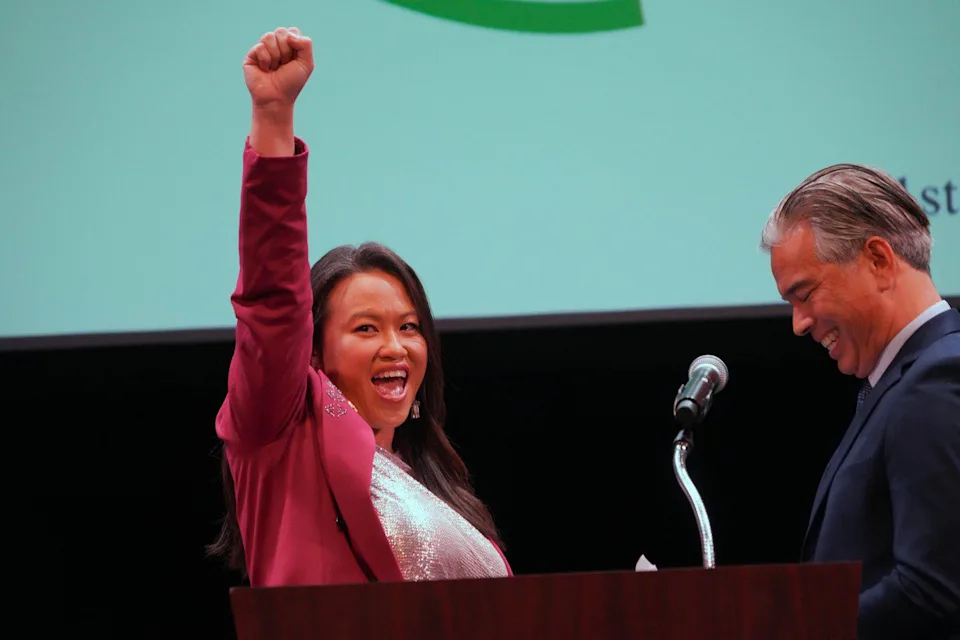
Photo/Sheng Tao elected mayor, source: yahoo news
Conclusion:
Against the backdrop of Trump’s tightening immigration policies, the U.S. maintains a demand for highly skilled talent. Sheng Tao’s success story tells us that even with the tightening policy, opportunities still exist as long as you have the ability and influence.
Reforms to skilled immigration, green card applications, and international student policies also indicate that the U.S. is moving toward a more precise, higher-quality talent acquisition strategy. For global talents, seizing the window and improving their competitiveness will be the key to winning opportunities in the United States.
…
👇 Plus V enters Singapore’s largest outbound community 👇

Past Recommendations