

Behind a cup of tea is an important game of global business power in the Asian market, and Singapore is at the forefront of this no-smoke war.
Starbucks’$4 billionsale of a60 percentstake inits China businessto Burson-Marsteller is not just a capital deal, but a major turnaround in the international brand’s strategy in China.
Meanwhile, Honey Snow Ice Cityis expanding rapidly in the global marketwith53,000global stores andan impressivefirst-half revenueof14.87billion yuan.
And as an emerging force, Bajaj Chagai has risen rapidly in the Singapore market,expandingfrom1store to22injust one year, and is expected to exceed30by the end of the year.

The Three Kingdoms:
The Strategic Game in the Tea Drinking Market
China’s ready-to-drink tea market has entereda period oftriple-playstrategy, with the three major brands exploiting the market with completely different strategies, especially in Singapore, the bridgehead of Southeast Asia.
Starbucks has chosen a capital path. The global coffee giantsold a majority stake in its China business to private equity firm Boyu Capitalfor$4billion.
Following the transaction, Boyu Capital will acquireup toa 60%stake inStarbucks’ retail business in China through a joint venture with the company.
Starbucks will retain the remaining40%interest and continue to license its brand and intellectual property to the joint venture.
The move marks a major shift in Starbucks’ market strategy in China, from direct control to cooperative operations.
Data shows that Starbucks’ market share in China hasplummetedfrom34 percent in2019to14 percentlast year, a harsh reality that has forced Starbucks to adjust its strategy.
Meanwhile, Honey Snow Ice City demonstrated a different development strategy.2025In the first half of the year, Honey Snow Group realized operating incomeof 14.87billion yuan, up39.3%year-on-year.
Even more surprising is the speed of its store expansion–as ofJune30,2025, the total number of Honeysuckle Group stores worldwide exceeded53,000, a net increase of nearly10,000 storesfrom the same period last year.
Honey Snow Ice Cityopened its first overseas store in Vietnamback in2018, making it one of the first Chinese ready-to-drink brands to go overseas.
Today,Honey Snow Ice City is thenumber oneready-made tea beverage brand inSoutheast Asiain terms ofstore count and beverage sales by the end of2023.
Source: Yangzi Evening News

Starbucks:
Deepening Localization and Community Marketing
In the face of market competition, Starbucks has adopteda strategy ofdeep localizationandcommunity marketingin the Chinese market.
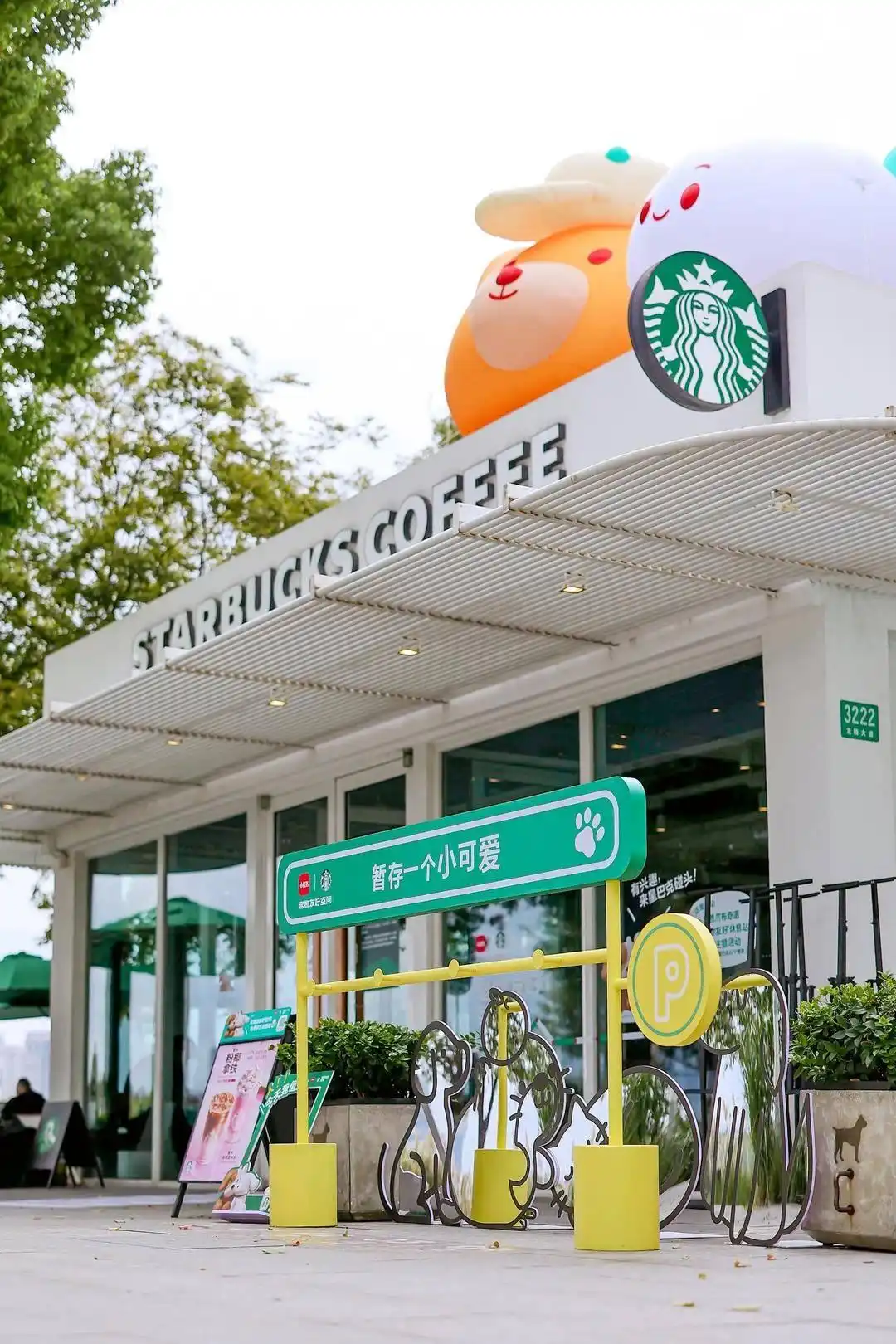
OnSeptember 9,2025, Starbucks China officially announced that ithas entered into an in-depth cooperationwith XiaohongshuAPP, and jointly opened anexclusive and comprehensive cooperation plan for“Interest Community Space“.
Starbucks has handpickedmore than1,800storesnationwideto be refreshed and upgraded into“community spaces of interest“with four themes: pets, crafts, cycling and running.
Zhen Yang, Chief Growth Officer of Starbucks China, said,“Serving‘community‘has always been part of Starbucks’ brandDNA, and ourdefinition of‘community‘has expanded from the geographic sense of the neighborhoods in which our stores are located to the online communities formed by shared interests .online communitiesformed by shared interests.“
This collaboration is not limited to offline space upgrades, but also includes online content co-creation.
Little Red Book will providemore traffic and exposurefor quality offline activities and interest content, so that different interest enthusiasts can find their favorite parties.
Through the“map“functionof Xiaohongshu, customers can also easily discover the Starbucks“interest community space“around them.
The pet-friendly spacehas become a social gathering place for pet lovers, where budding pets can enjoy free paw puccinos,“no-concentrate Americanos“and rest stops.
With over1,000handmade-friendly spaces, it has become a gathering place for creative inspiration for handmade creators.
There are about50cycling-friendly spacesand50 running-friendly spaceseach, providing rest stops and gathering places for sports enthusiasts.
These spaces are equipped with convenient pumps, and some stores have added amenities such as professional parking racks, and more thoughtfully provide free hydration for cyclists.

Source: Yangzi Evening News

Lemony Chachi:
The Smart Power of Culture at Sea
In contrast, Bawang Cha Ji chose the differentiation strategy of“culture at sea“.
In the prospectus when it went public in the United States in Aprilthis year, Lemony Snacks mentioned that it was inspired by a certain international coffee chain brand, which was widely believed to be a reference to Starbucks.
At the media previewon October22, journalists visited Lemony Snicket’s concept store at Pagoda Street in Chinatown, Singapore.
This is the brand’s22ndlocal store in just over a year, witha large mural hand-paintedby local visual creative teamTell Your Children onthe exterior wall of the store, adding a new dimension to the thriving neighborhood.
Wen Wei Lun, President of Bajaj Tea Ji Singapore, mentioned at the media preview that Chinatown is a place where the old meets the new, which fits well with Tea Ji’s brand concept of presenting traditional tea beverages in a modernized way.
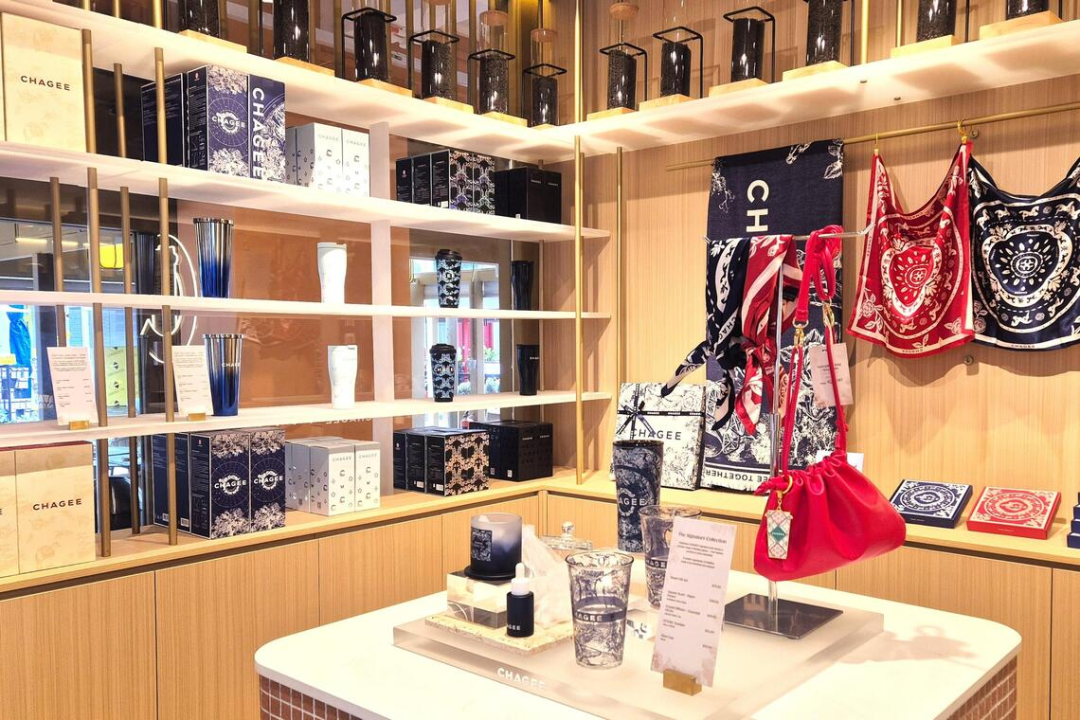
Photo credit: Union-Tribune, Starbucks
Having become a part of Oxnard, Chagi hopes to use the store to integrate into the community and bring people together.
The new store is the first of its kind in Hong Kong to have an exclusive retail space, featuring a wide range of lifestyle products, including exclusive collectibles and limited edition items from the new stores in Singapore and Chinatown.
Starting from November, experience activities such as palmistry, divination and calligraphy workshops will be launched, reinterpreting the traditional teahousefunction of“meeting friends over tea” as asocial space.
In addition to market expansion, Bawang Chaji also actively practiced social responsibility.
In early2024, Lemony Snacks opened its first“silent store“in Hangzhou, providing employment opportunities for the hearing impaired.
InJune2025, Lemony Snacks opened Southeast Asia’s first“silent store“at the National University of Singapore.
The store is acollaborationbetween Lemony Snacks,SG Enableand the Singapore Association of the Deaf, with some of the store staff being hearing impaired.
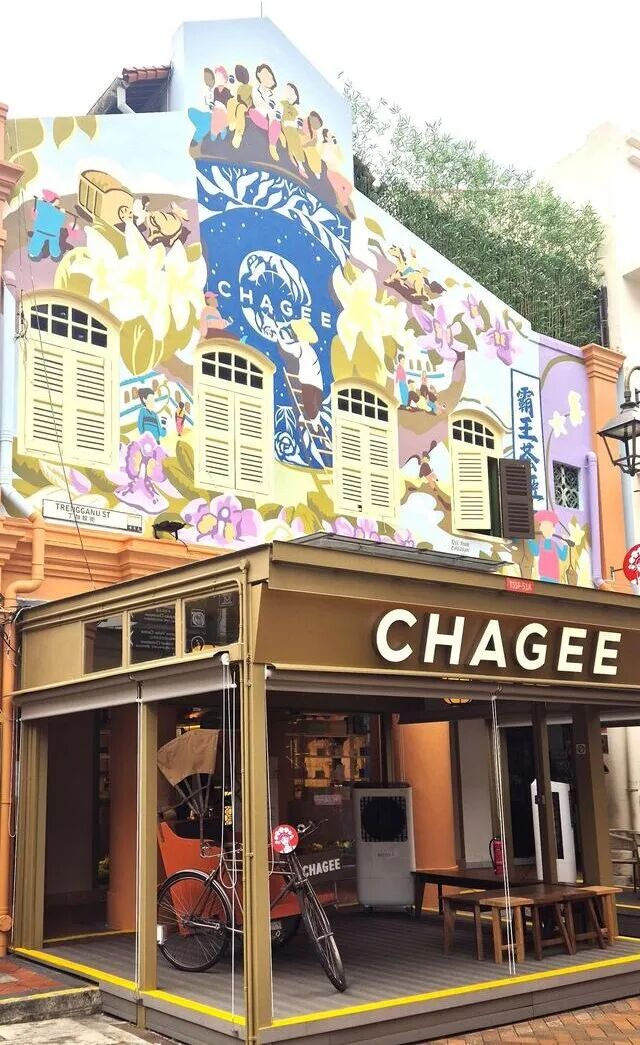
Photo credit: United Morning Post

Honey Ice City:
Supply Chain and Scale to Win
Honey Snow Ice City has taken a completely different path–relying onsupply chain advantages and scale effectto capture the market.
In the first half of2025, Honey Snow Group realized operating revenueof 14.87billion yuan, up39.3%year-on-year; net profitof 2.72billion yuan, up44.1%year-on-year.
The rapid growth in earnings was accompanied by an equally impressive performance in overseas business.
As ofJune30,2025, the number ofstoresoutside of Mainland China reached4,733, a net increase of128storesyear-on-year, expanding coverage to12overseas countries.
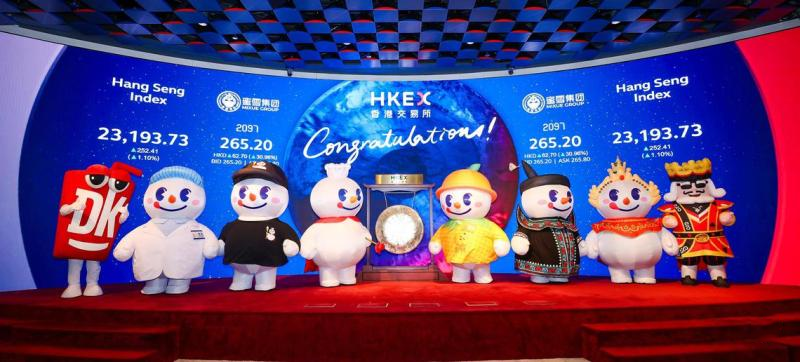
Photo credit: United Daily News, Honey Ice City
The success of Honey Ice City is based on its well-established end-to-end supply chain system.
Honey Snow Grouphas establishedlocalized warehousing and distribution networksin4overseascountries, which significantly improves the efficiency of material turnover and store support capacity.
In addition, Honeysuckle Group alsoenhances its cross-cultural operation capabilitythroughlocalization of talents. For example,96% ofthe employees ofthe Indonesia branchare local people, which effectively promotes the integration of the brand into the local market.
Honey Snow Ice City’s multi-brand strategy has begun to bear fruit. The Group’s second growth curve coffee brand, Lucky Cafe,has exceeded7,000contracted stores in Chinaas ofJulythis year.
More striking is that the honey snow ice city recently through the“capital increase+equity transfer“way, with297million yuantotal consideration for the purchase of the craft beer brand fresh beer Fu deer home53%stake, formally entered the craft brewing track.
The crossover marks the beginning of Honey Snow Ice City’s search for new growth points while consolidating its main business of tea drinks.
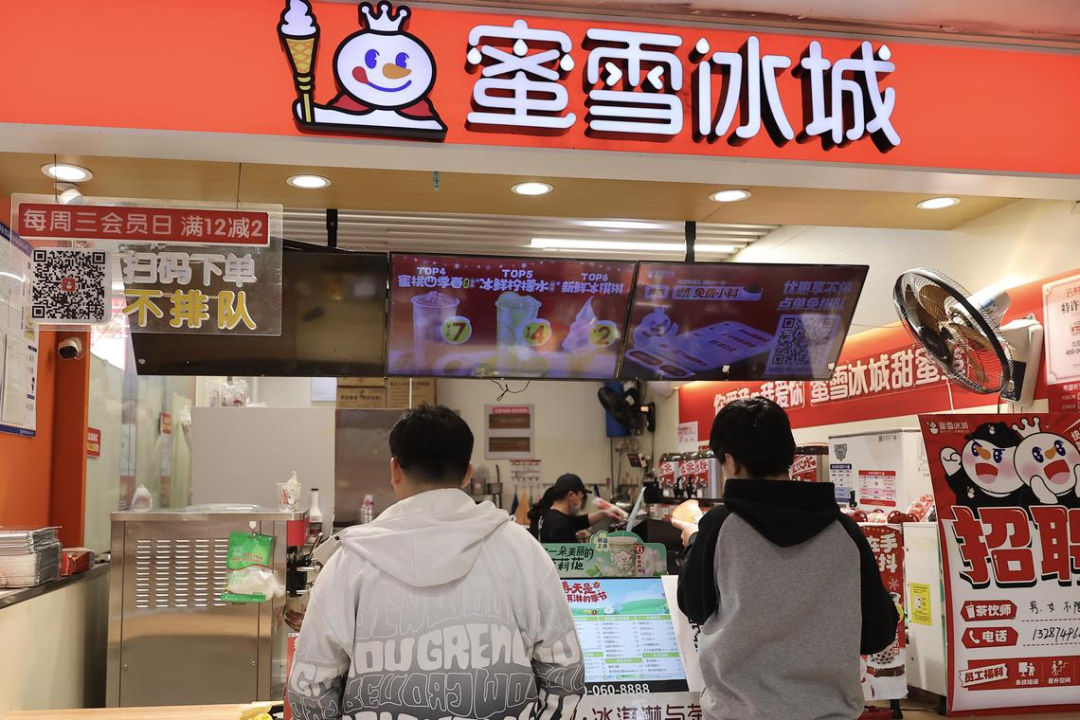
Photo credit: United Morning Post

Singapore:
A Testbed and How-To Guide for Tea Drinking Brands
Singapore has become astrategic locationfor global tea brands, not only because of its market potential, but also because it is an important gateway to Southeast Asia and global markets.
For tea beverage brands looking to enter the Singapore market,an efficient compliance layout and localization strategyis key to gaining a foothold in this highly competitive market.
1、Corporate registration: choosing the optimal structure
Setting up a company and opening a bank account in Singapore is the first choice of many entrepreneurs and investors to enter the Southeast Asian market.
Singapore is known for itsstable economic environment,transparent legal systemand efficient official services, attracting a large number of international businesses.
Common types of companies in Singapore include: private limited companies, unlimited companies, branches and representative offices.
Of these, theprivate limited companyis the most common and popular type and is suitable for most SMEs.
This corporate form has the advantages of limited liability, independent legal personality and tax advantages.
The core registration process includes:Name Approval–Submission of a unique and non-prohibited namethrough the Accounting and Corporate Regulatory Authority of Singapore‘s(ACRA)BizFile+system;
Document preparation:including articles of incorporation,proof of identity and address of shareholders/directors, proof of registered address, etc;
Online Application:SubmitviaBizFile+, pay afee ofaboutS$300 andreceive your e-registration certificateusuallywithin1-2working days.
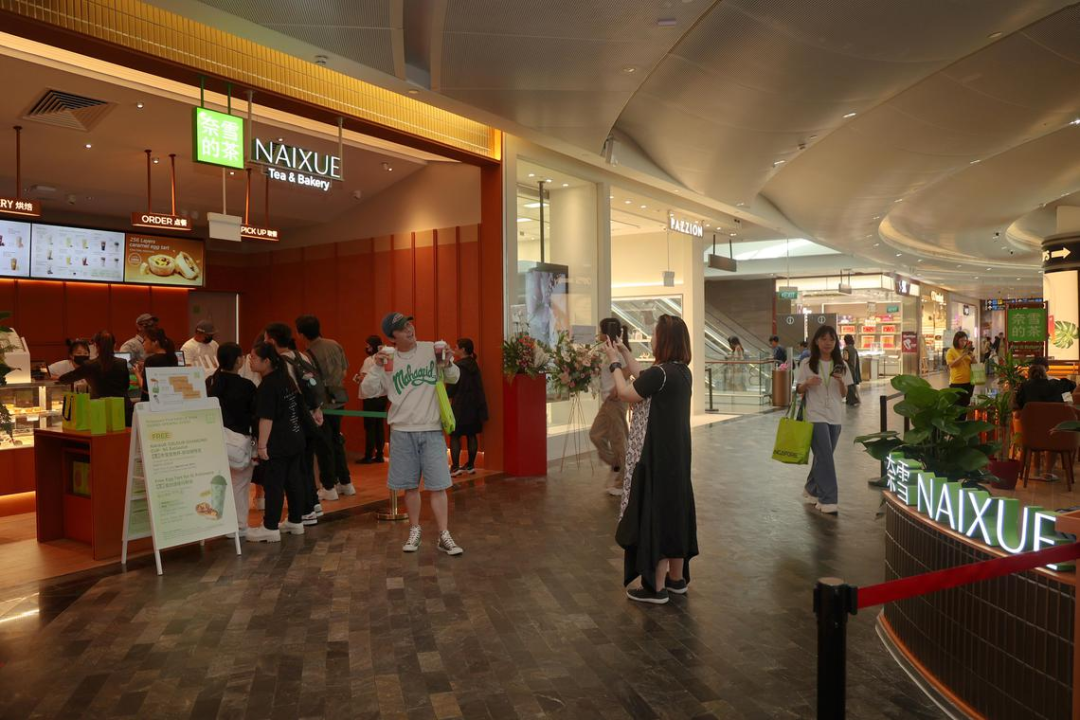
Photo credit: United Morning Post, Naeshe
2、License Application: Exclusive License Matrix for Tea Drinking Industry
Food Shop License:Apply for aFoodShop Licensefrom the Singapore Food Authority (SFA), which ismandatoryfor all tea beverage outlets.Standalone outlets are required to apply for aRestaurant License, which allows for the employment of foreign staff.
Halal Certification:If the target clientele consists of the Muslim community, it is necessary toapplyto the Islamic Religious Council of Singapore (MUIS).Core requirements include the use of halal ingredients and at least2-3Muslim kitchen staff holdingHalMQcertificates.
Liquor License:If you plan to sell alcoholic beverages such as beer, like Honey Ice City, you must apply for a liquor license from the Singapore Police Force, which costsbetween S$110andS$880.
Import License:If you need to import specialty ingredients from overseas, you mustapply for an import license from the Food Bureauthrough theGoBusinessplatform.
WSQFood Hygiene Training:Owners and chefs are required to attend training and pass an examination to obtaina food hygiene certificatevalid for5years.
3、Bank account opening: to ensure the flow of funds
To open a company bank account in Singapore, the following conditions usually need to be fulfilled: the company is duly registered, relevant company information is provided, proof of identity of directors and shareholders, and bank interviews or video conferencing that may be required.
There are several reputed banks in Singapore such asDBS Bank,OCBC Bank,UOBandStandard Chartered Bank.
Required documents include:Certificate of Incorporation, Articles of Incorporation, passports of directors and shareholders, proof of address (e.g. utility bills).
Some banks may require a business plan or existing transaction records to prove the authenticity of the business.
In the face of strict anti-money laundering scrutiny, adequate preparation ofproof of business authenticitysuch as purchase contracts, sales records, etc. can significantly improve the success rate of account opening. The whole process is expected totake 2-4weeks.
4、Store location: precise positioning and risk control
Strategy Selection:
Street stores and community shopping areas:relatively low rent, stable customer base, suitable for creating neighborhood-type“community space of interest“, such as Starbucks and Little Red Book cooperation ofmore than1,800themed stores.
Popular shopping centers:high traffic volume, but high rent, more suitable for brands with high brand recognition and affordability of customer unit price.
Risk avoidance:Before signing a long-term lease, try to sign a letter of intent to lease with the landlord and utilize the renovation floor plan to accurately measure the inputs to avoid being passive at a later stage due to less-than-expected profitability.
5. Employment of staff: responding to the latest pass policy
EP &S Pass:FromJanuary2025, the monthly salary threshold for the Singapore Employment Pass has been raised toS$6,200for the financial services sectorandS$5,600for the non-financial services sector.The income threshold for theSPasshas also been revised upwardsin 2025.Companies are required toscore points for applicantsthrough theCOMPASSframework in terms of salary, educational qualifications, and diversity of the company’s workforce.
Foreign Workers’ Tax:FromSeptember 1,2025,the foreign workers’ tax will be unified atS$650for allSPass holders.
Talent strategy:In order to control costs and meet therequirements of theCOMPASSframework to support local employment,a combination oflocalized recruitmentandexpatriate expertiseis recommended.For example, up to96% ofHoney Ice City’semployeesin Indonesiaare locals, which is an excellent localization practice and contributes to a more rational staff structure.
6. Intelligent operation: making good use of official subsidies
Singapore provides a number of subsidies for F&B enterprises, which can effectively hedge against high initial costs and operational pressures:
Enterprise Development Program:for business upgrading or overseas market expansion, with a subsidy rate of up to90%.
Productivity Enhancement Program:Support for automation equipment purchases with subsidies of up to80%.
Digital Resilience Bonus:Up toS$10,000for businesses that adopt selected digital solutions.
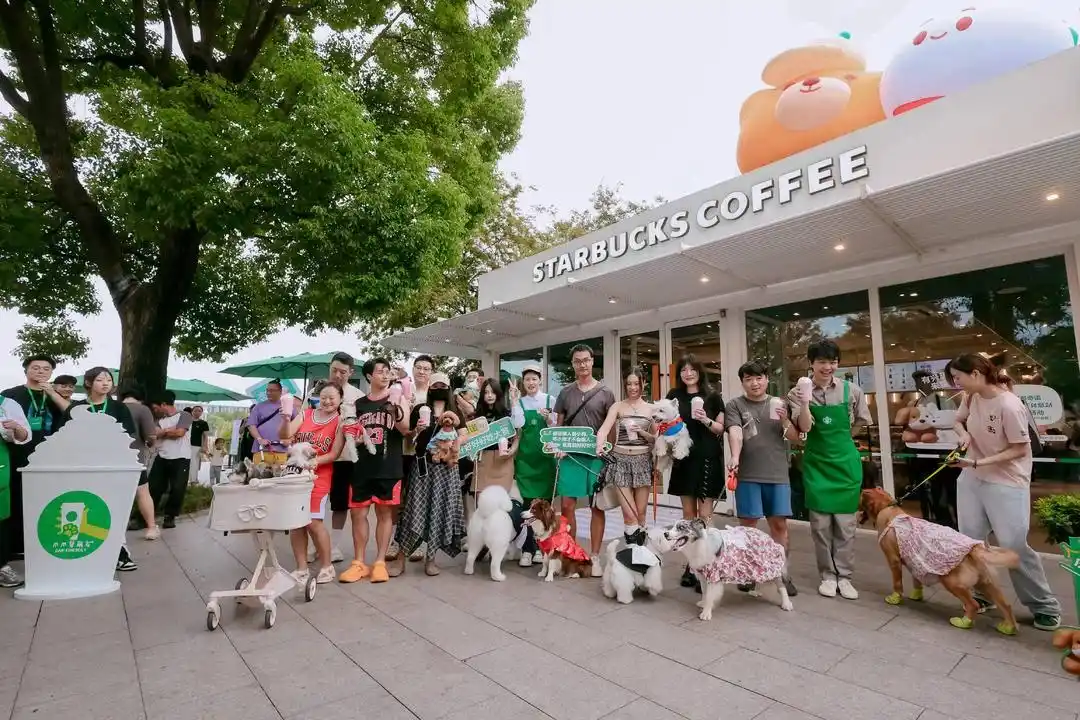
Source: Yangzi Evening News

Overseas strategy:
Balancing localization and globalization
The strategies of the three brands in the Singapore market demonstrate the different arts of balancing localization and globalization.
While expanding the market, Bawang Chaji continues to explore the combination of traditional culture and social value practices in both China and Singapore.
InAugust2025, Lemony Snacks launched a special drink,Orchid Bilberry Milk Tea, which pays homage to Singapore’s uniqueness with the refreshing aroma of orchids, chestnut and jasmine.
Bajaj Tea Ki also launcheda Nyonya tea seriesunique to Singaporeanda Nyonya-style ceramic series, blending local specialties with traditional tea culture.
Honey Snow Ice City’s first store in Almaty, Kazakhstan demonstrates its localization strategy.
In the pre-opening period of the store, the Honey Snow team accurately attracted traffic through private community operations and established aWhatsAppcommunitywith local social habitsto enhance user interaction.
Meanwhile, in the Southeast Asian market, the Group has systematically adjusted and optimized its stock of stores in Indonesia, Vietnam and other markets, including the addition of study areas for campus scenarios and other initiatives, to effectively enhance the operational efficiency of individual stores.
Starbucks, on the other hand,has entered the local marketthroughcommunities of interest, combining the standardized operations of a global brand with the personalized needs of local communities.
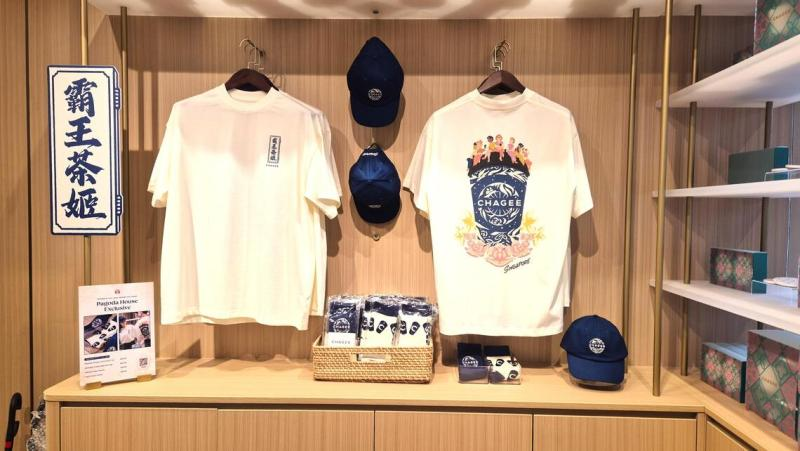
Photo credit: Lemony Snicket, United Daily News
Conclusion:
On Orchard Road in Singapore, Starbucks, Honey Snow Ice City and Lemony Snack’s stores are just a hundred meters apart, but each is crowded with consumers of different skin colors.
Honey Snow Ice Cityhas conquered Southeast Asiawithice cream forless thanS$3, Lemony Snacks is bringingoriental tea cultureto its new store in Chinatown, and Starbucks has entrusted the future of its China business to Banyu Capital.
In the world of business, there is no eternal king, only those who constantly adapt to changes. Competition in the tea market never stops, and Singapore, a melting pot of cultures, will continue to be the touchstone and wind vane for brands going overseas.
*References from: United Morning Post, Yangzi Evening News, Lemony Snacks, Starbucks, Honey Snow Ice City, Nesco, Little Red Book–Interest Community Space, comprehensive news reports collated, reprinted with attribution, infringement and deletion of contact.
…
👇 Plus V enters Singapore’s largest outbound community 👇

Past Recommendations